
Smooth desertdandelion
Malacothrix glabrata
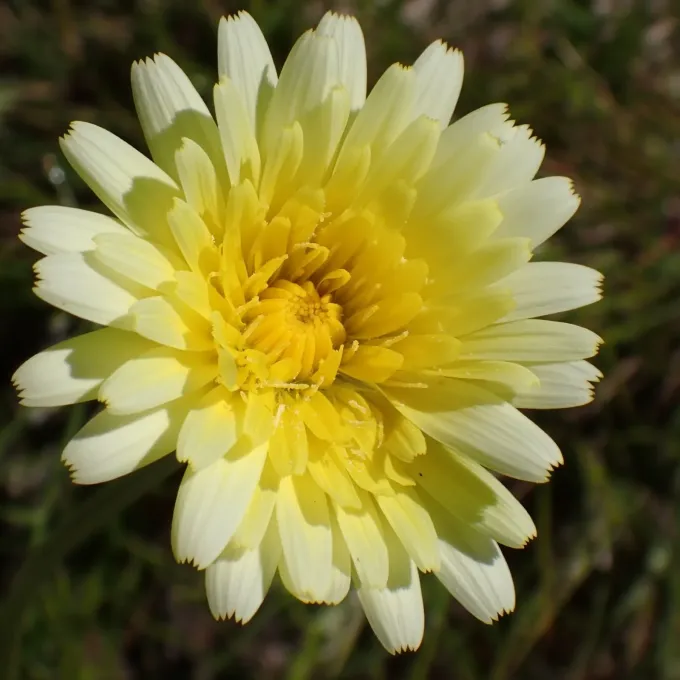
Description
Sowing dates
The Smooth desertdandelion is an annual herb whose lifecycle is deeply synchronized with seasonal desert rains. In its native habitat, seeds germinate during the cool, moist months of late autumn and winter.
For cultivation purposes, direct sowing during the fall is recommended to allow for a natural period of cold stratification. Seeds should be sown shallowly, as they require light to break dormancy and trigger germination.
Soil preparation should involve creating a light, sandy medium that mimics the plant's native environment. Fine texture is essential for early root development before the onset of the rapid spring growth phase.
Timing is critical for success; planting too late can result in stunted growth as the plant enters its reproductive phase earlier due to rising temperatures. Early establishment is key to achieving a robust rosette.
In controlled environments, maintaining moderate temperatures during germination is essential. High heat during this initial stage can inhibit biological mechanisms necessary for proper seedling emergence.
Growing requirements
Belonging to the Asteraceae family, Malacothrix glabrata demands full sun exposure to thrive. Its physiological processes are optimized for high-light environments, and any significant shading will negatively impact its floral display.
Soil drainage is the most vital requirement for this species. It performs best in nutrient-poor, sandy, or gravelly soils where water does not linger, as stagnant moisture quickly causes physiological decline.
This crop is exceptionally drought-tolerant. In a managed agricultural or horticultural setting, irrigation should be strictly controlled and limited to periods of extreme drought to avoid root suffocation.
The plant prefers a diurnal temperature range with cool nights. These conditions allow it to conserve energy, supporting a more prolonged and vibrant flowering period before the heat of summer arrives.
Minimal to no fertilization is required. Because it is adapted to harsh desert soils, added nitrogen can lead to excessive, weak foliage growth that is susceptible to pests and environmental stress.
Main diseases and pests
The primary threat to the health of the Smooth desertdandelion is root rot resulting from improper irrigation or poorly drained soils. The plant shows little resistance to saturated conditions.
Aphid infestations can occasionally impact the developing flower buds. Regular observation is recommended to ensure that the reproductive phase is not compromised by sucking insect pests.
Powdery mildew can emerge in conditions where humidity remains high and air circulation is insufficient. Ensuring proper plant spacing can significantly reduce the risk of this fungal outbreak.
Providing a top layer of grit or sand around the base of the plant acts as a barrier, keeping the crown dry and preventing soil-borne pathogens from infecting the stems during moisture events.
- Root rot due to waterlogged soil
- Aphid pressure on flower buds
- Powdery mildew in high-humidity areas