
Rock Malacothrix
Malacothrix saxatilis
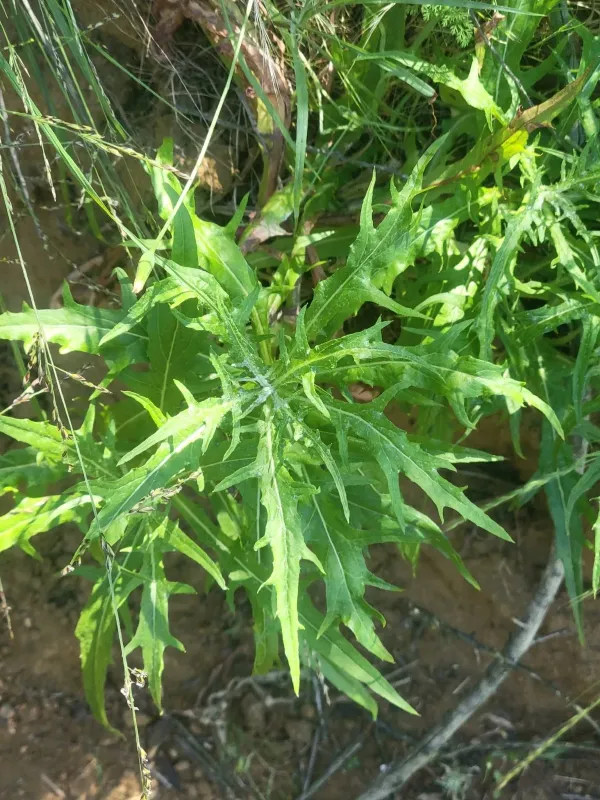
Description
Growing requirements
Rock Malacothrix (Malacothrix saxatilis) is a herbaceous perennial belonging to the Asteraceae family. It is native to the coastal regions and rocky hillsides of California, exhibiting high adaptation to Mediterranean-like climates.
The plant thrives in full sun exposure, requiring at least six to eight hours of direct sunlight to maintain its compact growth form and abundant flowering cycle.
Regarding soil conditions, this species necessitates extremely well-draining substrate, such as sandy or rocky soils, as it is highly susceptible to root rot in waterlogged environments.
Rock Malacothrix is remarkably drought-tolerant once established, making it a valuable candidate for water-wise gardening and sustainable agricultural landscapes.
While hardy in its native range, in colder climates, it requires protection from severe frost and should ideally be planted in elevated beds or containers to ensure proper drainage.
Main diseases and pests
The primary concern for Rock Malacothrix cultivation is the development of fungal pathogens, particularly root rot, which occurs when soil drainage is insufficient.
Pests such as aphids and spider mites can infest the foliage, particularly during spring and early summer when the plant exhibits its peak vegetative growth.
Snails and slugs can cause significant damage to young succulent leaves, necessitating manual removal or the use of protective barriers during the early stages of development.
Powdery mildew is another threat that can arise in stagnant, humid air, significantly reducing the aesthetic value and vitality of the specimen.
Maintaining a regular monitoring schedule and ensuring adequate airflow between individual plants are essential components of an effective pest and disease control strategy.