
Lagascea mollis
Lagascea mollis Cav.
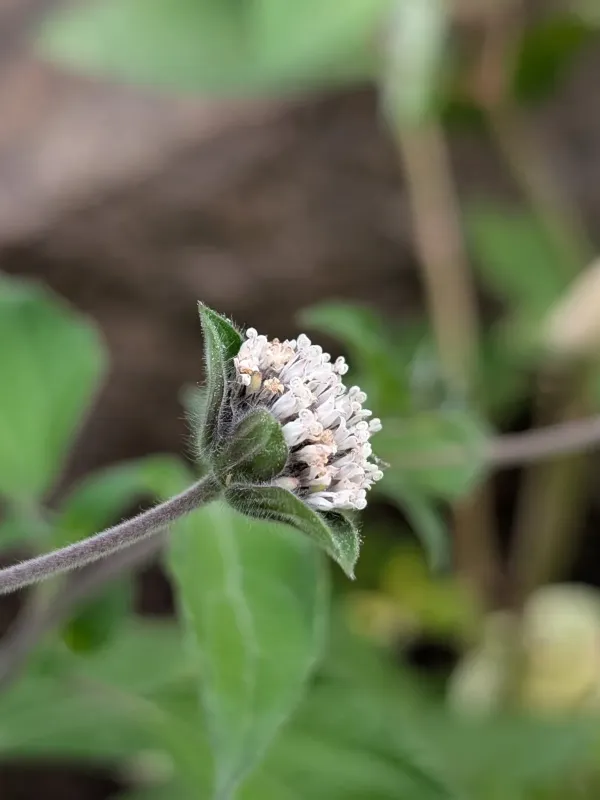
Description
Sowing dates
Lagascea mollis is a tropical plant that, in warmer regions, is sown in open fields once the threat of frost has passed. For successful germination, the soil must maintain a stable temperature between 20 and 25 degrees Celsius.
The optimal sowing period is spring, when day length begins to increase significantly. The crop requires high light intensity during the early stages of development; therefore, avoiding overcrowding is essential for producing high-quality biomass.
When sowing, seeds are buried at a shallow depth, usually no more than 1–2 centimeters, ensuring sufficient contact with soil moisture. After emergence, thinning is performed to allow enough space for robust branching.
In regions with shorter growing seasons, starting plants in trays or greenhouses is advisable. This practice allows the plants to accumulate sufficient vegetative mass before any unfavorable late-season weather occurs.
Lagascea seeds exhibit strong germination vigor under proper temperature conditions, making the crop relatively easy to manage during the emergence phase when the first true leaves appear.
Growing requirements
Lagascea mollis belongs to the Asteraceae family and has high demands for solar radiation. The plant does not tolerate even partial shade, as light deprivation leads to elongated, weak stems and significantly reduced biomass production.
The crop prefers light, well-drained sandy or loamy soils with a neutral or slightly acidic pH. Waterlogging is a critical factor, as poor drainage often leads to root rot and total plant failure.
During the active growth phase, the plant requires regular but moderate irrigation. High humidity combined with saturated soil promotes fungal infections, making proper air circulation around the plants essential.
The optimal temperature range for vegetative growth is 22–28 degrees Celsius. While the plant is quite heat-tolerant, temperatures above 35 degrees can cause growth deceleration and premature flowering.
For intense growth, Lagascea requires periodic organic fertilization. It responds well to balanced mineral complex fertilizers, especially during the stage when flower heads are developing.
Yield
The economic value of Lagascea mollis lies in the harvest of its aerial parts, used in pharmaceutical and cosmetic industries. Biomass yield depends heavily on soil fertility and light availability throughout the growing cycle.
Under optimal agronomic management, the crop can provide multiple harvests within a single season. The first biomass cut is performed at the onset of flowering, when the concentration of bioactive compounds in the stems and leaves is at its peak.
After the initial harvest, Lagascea can regrow quickly by forming new lateral shoots, provided the plants are adequately supplied with nutrients and water. However, yield potential may decline with each subsequent cycle due to root system exhaustion.
Achieving optimal planting density is a crucial factor in maximizing output. Sparsely planted fields fail to utilize land effectively, while excessive density leads to lower raw material quality.
Total raw biomass yield can vary widely, averaging 5 to 10 tons per hectare under industrial cultivation in favorable tropical or subtropical climates.
Main diseases and pests
The primary threats to Lagascea mollis are pathogenic fungi that thrive in humid conditions. Powdery mildew frequently infects the leaves, creating a characteristic white coating and reducing the plant's photosynthetic capacity.
Root rots, caused by various soil-borne microorganisms, pose a serious risk if irrigation practices are poor or drainage is inadequate. These diseases are difficult to treat, making preventative measures the only effective control method.
Among pests, aphids and spider mites cause the most significant damage. They feed on cell sap, causing leaf deformation, stunted shoot growth, and a weakened immune system, which makes the plants susceptible to secondary infections.
For pest management, biological preparations based on entomophages or botanical extracts are recommended, especially when Lagascea is destined for medicinal use where product purity is paramount.
Disease prevention includes strict crop rotation, timely removal of plant debris, and the use of certified, disinfected seeds before establishing a new plantation.
Harvesting
Harvesting Lagascea mollis is conducted either mechanically or manually, depending on the scale of production. The optimal harvest time is the early flowering stage when the plant reaches its maximum concentration of active compounds.
Harvested biomass must be transported immediately for processing or drying. Delaying storage leads to rapid overheating and fermentation, resulting in the loss of valuable chemical constituents due to enzymatic activity.
Drying should take place in well-ventilated, shaded areas or specialized dryers at temperatures not exceeding 40–45 degrees Celsius to preserve the color and chemical profile of the raw material.
Once dried, the product is sorted, cleaned of impurities, and milled to the required fraction according to industry standards. High-quality raw material should possess a characteristic aroma without any signs of mold or rot.
Dried Lagascea must be stored in airtight containers protected from moisture and direct sunlight. Properly prepared material can maintain its pharmacological properties for 12 to 24 months.