
Geropogon hybridus
Geropogon hybridus
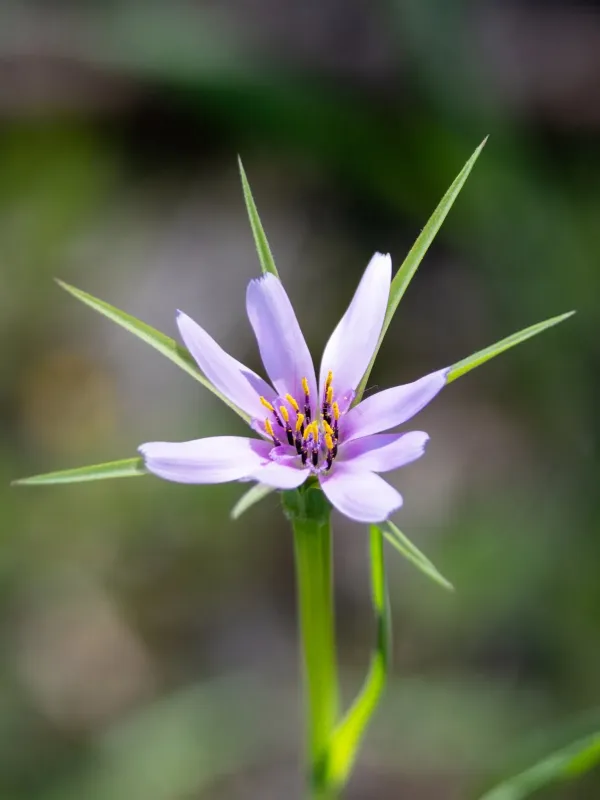
Description
Sowing dates
Geropogon hybridus is an annual herbaceous plant belonging to the Asteraceae family. Known for its unique nutritional profile, this plant is increasingly recognized in niche horticulture as a valuable root vegetable with specific culinary applications.
The optimal sowing period begins in early spring, once the soil has sufficiently warmed to approximately 10 degrees Celsius. Planting should be timed to avoid late frosts, as young sprouts are sensitive to low temperatures during the emergence phase.
Seeds are typically sown at a depth of 1.5 to 2 centimeters in rows spaced 30 to 40 centimeters apart. This spacing allows for proper airflow and facilitates mechanized or manual weeding operations during the vegetative cycle.
Proper soil preparation is essential for successful germination. The area should be plowed or tilled to create a fine tilth, ensuring that the seeds have optimal contact with the soil particles for moisture absorption.
Regular irrigation is vital during the establishment phase. As the plants mature, moisture needs remain consistent, but waterlogging must be strictly avoided to prevent root diseases and ensure healthy development of the primary root system.
Growing requirements
This crop thrives in sunny, well-exposed locations. Adequate light is crucial for the photosynthesis process, which directly impacts the quality and size of the harvested roots. Shaded areas should be avoided as they lead to stunted growth.
The soil should be light, sandy, or loamy with good drainage properties. Geropogon hybridus is highly sensitive to compaction and water stagnation; therefore, raised beds are often recommended in areas with heavier soil compositions to improve aeration.
Temperature requirements are moderate, with the plants preferring average ranges of 18 to 22 degrees Celsius. While they can tolerate minor fluctuations, extreme heat stress can trigger early bolting, which negatively affects the quality of the root harvest.
Effective weed management is a cornerstone of the agronomic practices for this plant. Weeds can easily outcompete the crop in the early stages, so frequent shallow cultivation or mulching is recommended to suppress unwanted plant growth.
Fertilization should be managed carefully, focusing on balanced nutrient levels. Over-application of nitrogenous fertilizers should be avoided to prevent excessive vegetative growth at the expense of root thickening, which is the primary objective of cultivation.
Main diseases and pests
The primary threats include fungal diseases such as powdery mildew, which often develop in humid and poorly ventilated conditions. Prevention is key, involving proper crop spacing and the removal of plant debris to minimize spore survival.
Pests like aphids and leaf-eating beetles can cause significant damage to the foliage, which reduces the plant's overall vigor. Integrated pest management strategies, such as introducing beneficial insects, are highly recommended for sustainable crop protection.
Root rot is a common issue if the drainage is insufficient or if watering practices are inconsistent. Ensuring the soil structure remains loose and aerated is the best defense against these pathogenic threats to the root system.
Crop rotation is essential for maintaining soil health and preventing the buildup of host-specific pests and soil-borne diseases. It is recommended to rotate the crop with legumes or non-related vegetable families every few years.
Monitoring the crop for signs of stress or pest infestation is crucial for early intervention. If chemical controls are necessary, they should be chosen carefully and applied according to local agricultural regulations to maintain product safety.
Harvesting
Harvesting is performed when the plants reach maturity, typically within 90 to 120 days depending on the growing conditions. At this stage, the roots should have attained their optimal size and typical morphological characteristics.
During the harvest, it is important to handle the roots with care to prevent bruising or breakage. Using specialized tools such as a digging fork helps to lift the roots from the soil without damaging the skin, which is vital for post-harvest longevity.
The harvested product can be used in various culinary applications, appreciated for its distinct texture and taste. Proper preparation involves cleaning the roots thoroughly and storing them in a cool, dark environment to maintain freshness.
The leaves, if harvested young, can serve as a secondary product for salads. However, once the plant initiates its reproductive phase, the vegetative parts become fibrous and less palatable, shifting the harvest focus entirely to the roots.
For storage, keeping the roots in a high-humidity environment at temperatures near 2-4 degrees Celsius is ideal. This ensures that the produce remains crisp and flavorful, allowing for extended availability in local markets.