
Giant daisy
Leucanthemella serotina
Description
Growing requirements
The Giant daisy (Leucanthemella serotina) is a tall perennial herb belonging to the Asteraceae family. It is highly valued in horticulture for its late-season blooming period, which extends well into autumn.
Originating from Southeastern Europe, this plant thrives in temperate climates. It requires full sun or partial shade to ensure maximum flowering and structural stability of its tall stems.
Soil requirements include high organic matter content, consistent moisture, and good drainage. While it is quite robust, it does not tolerate extreme drought and will show signs of wilting if soil moisture is not maintained.
In terms of agricultural management, the plant benefits from annual fertilization in spring and systematic division of clumps every 3–4 years to maintain vigor and prevent overcrowding.
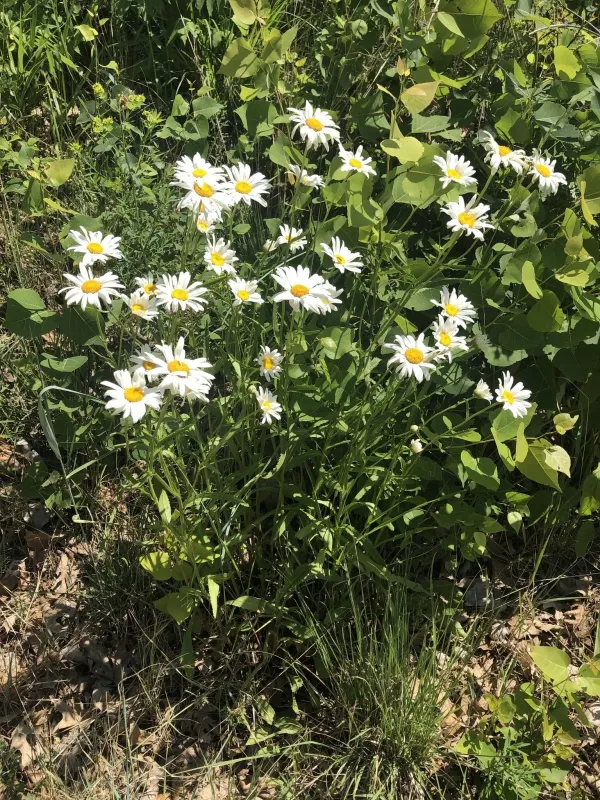
The aesthetic value of Leucanthemella serotina lies in its pure white daisy-like flowers with yellow centers, which provide an excellent contrast to other late-blooming perennials.
Main diseases and pests
The primary pathogenic threat to the Giant daisy is powdery mildew, particularly when plants are grown in conditions with poor air circulation or stagnant humidity.
Pests such as aphids and spider mites can occasionally cause damage to tender foliage. Gardeners should monitor for these pests, especially during prolonged hot and dry weather spells.
To mitigate disease pressure, it is essential to provide adequate spacing during planting and to remove any debris around the base of the plant during the dormant season to eliminate overwintering sites for pathogens.
In the event of infestation, organic soaps or specific horticultural oils can effectively manage aphid populations without harming beneficial insects if applied correctly.
Regular monitoring of the garden environment and maintaining healthy soil nutrition are the best strategies for ensuring the long-term resistance of the plants to common horticultural pests.