
Felicia bergeriana
Felicia bergeriana (Spreng.) O. Hoffm. ex Zahlbr.
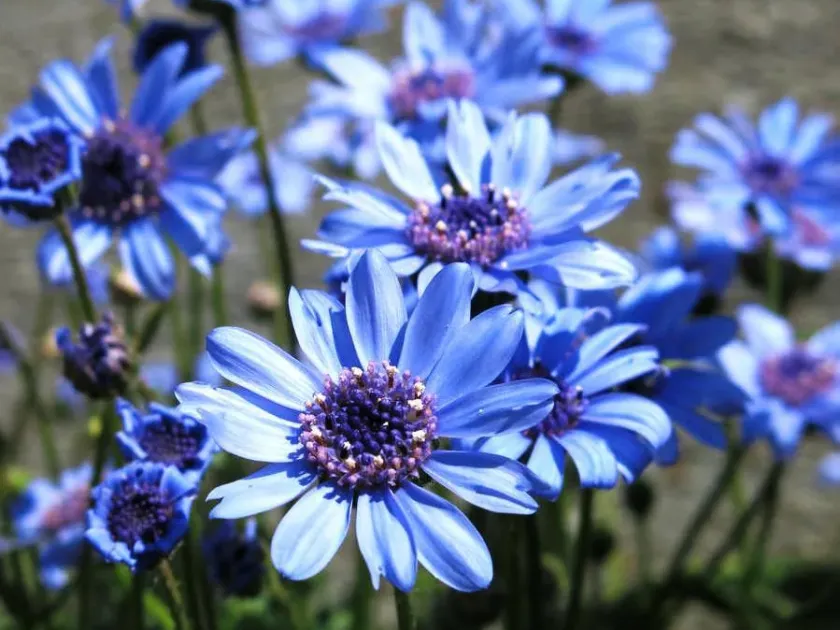
Description
Sowing dates
Felicia bergeriana, commonly known as the Kingfisher daisy, is a delicate annual that requires careful handling during the propagation phase. Seeds should be sown indoors in late winter or early spring using a high-quality, sterile seed-starting mix.
Since the seeds require light to germinate, they must be sown on the surface of the soil and pressed down gently without covering them with a thick layer of growing medium. Maintaining consistent moisture and warmth is essential during this stage.
Seedlings typically emerge within two to three weeks if kept at a temperature of approximately 18 to 20 degrees Celsius. Once the first set of true leaves develops, the plants should be carefully transplanted into individual pots to encourage stronger root growth.
Hardening off the seedlings is a crucial step before moving them to their permanent outdoor location. This process should be done gradually over a week to prepare the plants for the intensity of direct sunlight and varying temperatures.
Transplanting into the garden occurs only after the danger of frost has completely passed. Choose a location with well-drained soil and ensure that the spacing between individual plants is adequate to prevent overcrowding.
Growing requirements
As a member of the Asteraceae family, this plant thrives best in full sun conditions. Providing at least six to eight hours of direct sunlight daily is necessary for the plant to produce its signature vibrant blue flowers.
The soil structure must be excellent, with high levels of drainage to prevent waterlogging, which the species finds lethal. Adding coarse sand or grit to heavier soils can significantly improve their suitability for this plant.
Watering requirements are moderate; the soil should be kept lightly moist but allowed to dry out slightly between watering sessions. Excessive water around the base of the stems can trigger fungal infections and root rot.
Fertilization with a balanced, water-soluble fertilizer applied every few weeks during the growing season will help maintain vigorous growth and prolific flowering. Avoid high-nitrogen fertilizers which may encourage foliage at the expense of blossoms.
The plant performs best in a sheltered area where it is protected from strong, drying winds. While it is relatively resilient, providing a stable microclimate significantly extends the duration of the flowering period.
Main diseases and pests
The primary threats to Felicia bergeriana are related to excessive moisture, which leads to various root and crown rot pathogens. Proper spacing and airflow are the most effective non-chemical preventative measures against these issues.
Pests such as aphids and spider mites can occasionally affect the plants, especially during hot, dry spells. Regular monitoring of the foliage, particularly the undersides of leaves, helps in early detection of these invasive insects.
If an infestation occurs, horticultural soaps or neem oil can be used to manage the pest population effectively. These treatments are generally safer for the environment and minimize harm to beneficial pollinating insects.
Fungal issues, if diagnosed early, can be managed with copper-based or systemic fungicides. However, the best strategy is always to maintain healthy soil conditions and avoid overhead watering in the late afternoon.
Keeping the garden beds clean of debris and controlling weeds prevents the spread of potential pathogens and ensures the plants remain vigorous throughout the entire gardening season.