
Felicia heterophylla
Felicia heterophylla (Cass.) Grau
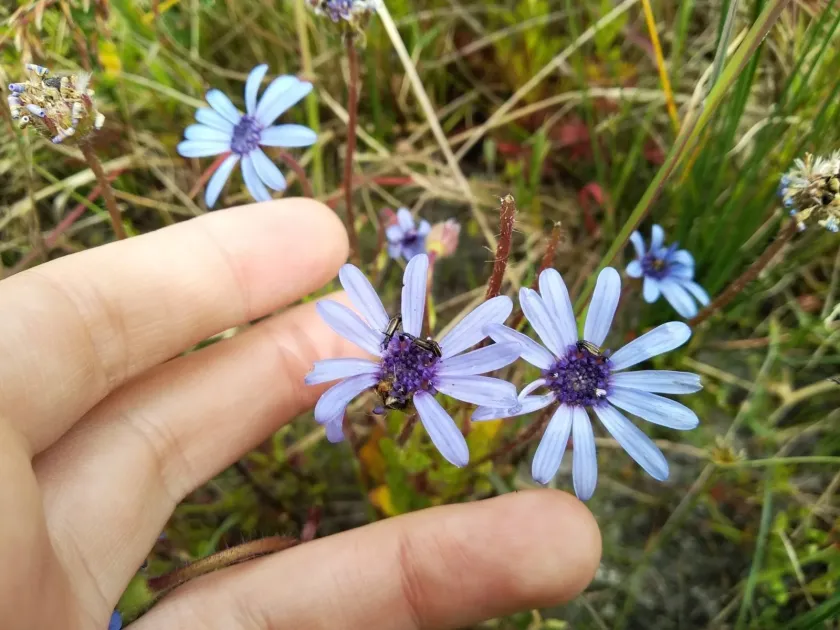
Description
Sowing dates
Felicia heterophylla is a charming annual herbaceous plant belonging to the Asteraceae family. Originating from the diverse ecosystems of South Africa, it has become a popular ornamental species in various gardens worldwide.
Seeds should be sown indoors in March or April, using a light, well-draining seed-starting mix. The seeds require warmth, ideally around 18–20 degrees Celsius, and should be only thinly covered with soil to allow for germination.
Transplanting into the open ground occurs only after the danger of frost has completely passed. In most regions, this corresponds to late May or early June, when soil temperatures are consistently high enough to support growth.
When sowing directly into the garden, wait until May when the soil is warm. Space the plants approximately 20–25 centimeters apart to prevent overcrowding and ensure adequate airflow, which is essential for healthy foliage.
The plant has a relatively fast life cycle, making it ideal for seasonal garden displays. Proper timing ensures that the plant develops a robust root system before the onset of the peak flowering season.
Growing requirements
Felicia heterophylla thrives in full sun exposure. It is crucial to choose a location that receives at least six to eight hours of direct sunlight daily, as shade causes the plant to become leggy and reduces flower production.
The ideal soil for this species is sandy or loamy with excellent drainage. It does not tolerate "wet feet," so areas prone to waterlogging should be avoided or amended with organic matter and grit to improve permeability.
The soil should have a neutral to slightly acidic pH level. In heavy clay soils, incorporating coarse sand or perlite is a standard practice to improve the physical structure and prevent root rot.
Although the plant shows good tolerance to short dry spells, regular and deep watering is necessary to support its flowering phase. Water at the base of the plant to keep the foliage dry and reduce the risk of disease.
Fertilization should be moderate, as excessive nitrogen can lead to exuberant leaf growth at the expense of flowers. A balanced, low-nitrogen fertilizer applied once or twice during the season is generally sufficient.
Main diseases and pests
The most common threat to Felicia heterophylla is fungal disease triggered by excessive moisture. Root rot is a significant risk in poorly drained soils or during periods of prolonged rainfall, often resulting in sudden plant decline.
Powdery mildew can occur if the plant is grown in humid conditions with poor circulation. This manifests as a dusty white coating on the leaves and can significantly impact the plant's overall health and aesthetic value.
Aphids and spider mites are the most frequent pests, particularly in dry and hot conditions. These insects target the new growth, causing leaf curling and yellowing if left unchecked by the gardener.
Effective management involves monitoring the plants regularly for signs of infestation. If pests are detected, targeted applications of insecticidal soap or neem oil are usually sufficient to manage populations.
Prevention remains the most effective strategy. By ensuring adequate spacing, optimizing drainage, and removing plant debris, you create an environment where the risk of pest and disease outbreak is kept to a minimum.