
Felicia amelloides
Felicia amelloides (L.) Voss
Description
Sowing dates
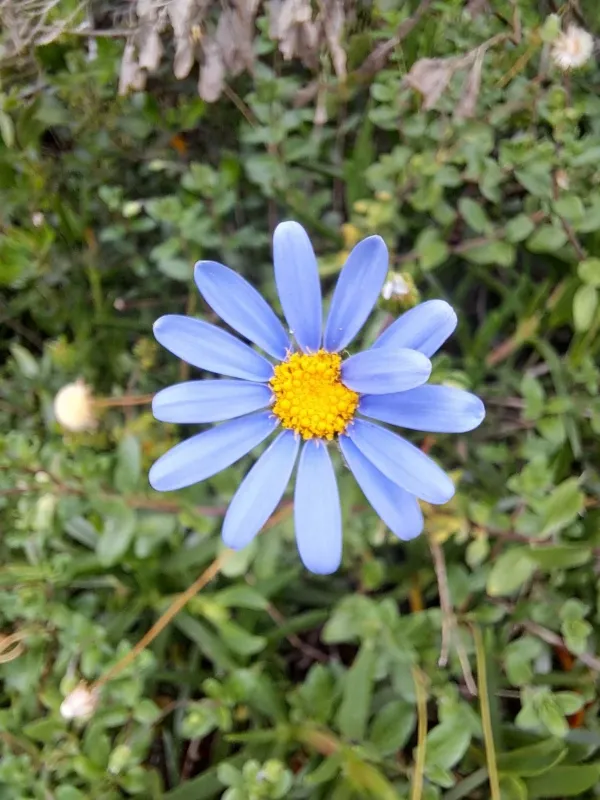
Felicia amelloides, commonly known as the blue daisy, belongs to the Asteraceae family. This species is highly valued for its striking blue flowers and is popular in borders, containers, and rock gardens.
Propagation is typically achieved through seeds sown in early spring. It is advisable to use a fine seed-starting mix and maintain a consistent temperature to ensure uniform germination of the seedlings.
Seedlings should be hardened off before moving them outdoors. This process involves exposing the plants to outside conditions gradually, which helps them adjust to temperature fluctuations and sunlight intensity.
When transplanting into the open ground, ensure the site is well-prepared. Spacing is crucial, as the plant needs sufficient airflow to prevent moisture-related issues during the growth cycle.
Regular maintenance during the sowing phase, including keeping the substrate slightly moist but not waterlogged, is essential for healthy initial development of the young plants.
Growing requirements
As a native of South Africa, Felicia amelloides thrives in warm, sunny environments. While perennial in frost-free regions, it is frequently grown as an annual in cooler climates to avoid winter damage.
The plant requires well-drained soil with a neutral to slightly acidic pH. Heavy clay soils that retain excess water are unsuitable and often lead to root decline or complete plant loss.
Irrigation management is a key aspect of cultivation. The soil should be allowed to dry out slightly between waterings, as the plant possesses a moderate degree of drought tolerance once established.
Fertilization with a balanced, water-soluble fertilizer during the peak blooming season encourages continuous flower production and maintains the plant's overall vigor throughout the summer.
Placing the plants in a location that receives full sunlight is non-negotiable for success, as shade leads to leggy growth and significantly reduced flowering capability.
Main diseases and pests
Root rot remains the most significant threat to Felicia amelloides, particularly when soil drainage is poor or humidity levels remain high for extended periods during the growing season.
Powdery mildew is another common fungal issue, appearing as white patches on the leaves. Increasing spacing between plants and ensuring good air circulation are effective preventative measures.
Pests such as aphids and spider mites can infest the foliage, particularly during dry, hot weather. These insects sap the plant's energy, resulting in stunted growth and distorted, unhealthy leaves.
Regular inspection of the undersides of the leaves is recommended to detect early signs of infestation. Early intervention with insecticidal soaps or specific horticultural oils is usually successful.
Adhering to proper sanitation practices, such as removing fallen leaves and spent blossoms, helps maintain a clean environment and prevents the overwintering of potential pathogens or pest larvae.