
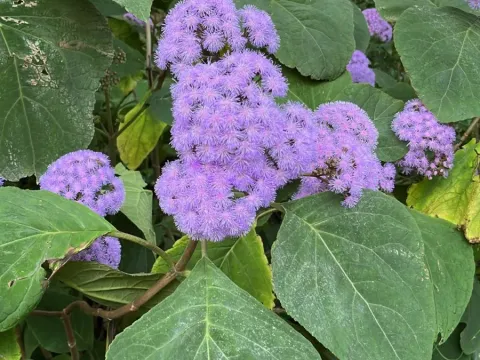
Eupatorium atrorubens
Eupatorium atrorubens
Eupatorium atrorubens is a notable perennial plant belonging to the Asteraceae family. Originating from the mountainous regions of Mexico, this species has evolved in humid, tropical forest environments, which dictates its specific requirements for cultivation in garden and landscape settings.
What the section contains
Eupatorium atrorubens
Botanically, this plant is recognized for its robust stems and large, velvety leaves that often exhibit a dark, reddish-purple coloration. The inflorescences are dense and provide significant aesthetic value, especially during the late summer and early autumn flowering periods.
Regarding soil conditions, Eupatorium atrorubens thrives in rich, moisture-retentive soils with high organic matter content. While the plant can adapt to various soil types, it performs best in well-drained loamy soils that prevent the accumulation of excess water around the root zone.
The climate requirements for this species focus on consistent moisture and protection from harsh, drying winds. It prefers locations with partial sun to light shade, which helps maintain the vibrancy of its dark foliage and prevents heat stress during the hottest summer days.
In terms of agricultural and horticultural use, the plant is primarily cultivated for ornamental purposes. Its role as a reliable nectar source makes it an excellent choice for ecological restoration projects and pollinator-friendly landscapes, supporting biodiversity in agricultural buffers.
The primary diseases affecting Eupatorium atrorubens include powdery mildew and various leaf spot fungi. These issues are most prevalent when the plants are crowded or when airflow around the foliage is restricted, highlighting the importance of proper spacing during the planting phase.
Pests such as aphids and spider mites may target the plant during dry, hot weather conditions. Regular monitoring of the foliage and the application of neem oil or insecticidal soaps can effectively control these populations before they cause significant structural damage.
Root rot is a major physiological threat if the soil becomes waterlogged, particularly during the dormant season. Ensuring that the planting site has adequate drainage is the most effective way to prevent the development of these subterranean pathogens.
Maintaining a clean cultivation environment is essential to reduce the risk of secondary infections. Removing weeds that compete for nutrients and water helps the plant maintain the vigor necessary to fend off common pests and pathogens throughout the growing season.
Proper sanitation practices, including the removal and destruction of infected plant debris at the end of the season, are critical. By following these agronomic practices, growers can ensure the health and longevity of Eupatorium atrorubens in various planting schemes.