
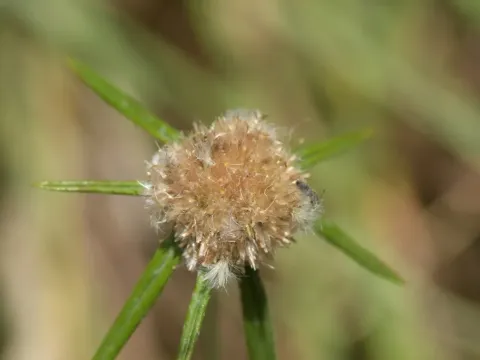
Euchiton
Euchiton
The genus Euchiton belongs to the Asteraceae family. These plants are often recognized by their pubescent, silver-toned leaves and dense growth habits, which contribute to their resilience in varied environmental conditions ranging from alpine areas to coastal regions.
What the section contains
Euchiton
To cultivate Euchiton successfully, a site with full sun exposure is necessary. Inadequate light levels will lead to leggy, unhealthy growth and a reduction in the plant's ability to maintain its structural integrity and ornamental appeal.
Soil requirements are relatively specific: the medium must be extremely well-drained. Sandy or rocky soils are ideal, as they prevent water accumulation around the crown. The plant thrives in conditions that would be considered too harsh or nutrient-deficient for many other garden varieties.
Regarding agricultural management, maintenance is low-input. Once established, Euchiton requires minimal irrigation, as it is adapted to periods of dry weather. Frequent pruning is generally unnecessary, though removing dead foliage can promote vigorous spring growth.
The practical use of Euchiton includes specialized landscaping, rock gardens, and ground cover applications. Its drought tolerance and low-nutrient adaptability make it a suitable candidate for sustainable landscaping and soil stabilization projects in specific climatic zones.
The primary threat to the health of Euchiton is root rot caused by poor soil drainage and excessive soil moisture. Managing moisture levels through proper site selection and soil amendment is the most effective preventative strategy against fungal pathogens.
Pest pressures primarily include aphids and mites, which may infest the foliage during warm, dry spells. Monitoring during the early growing season allows for targeted management to maintain plant vigor without the need for intensive chemical interventions.