
Engelmann's aster
Eucephalus engelmannii
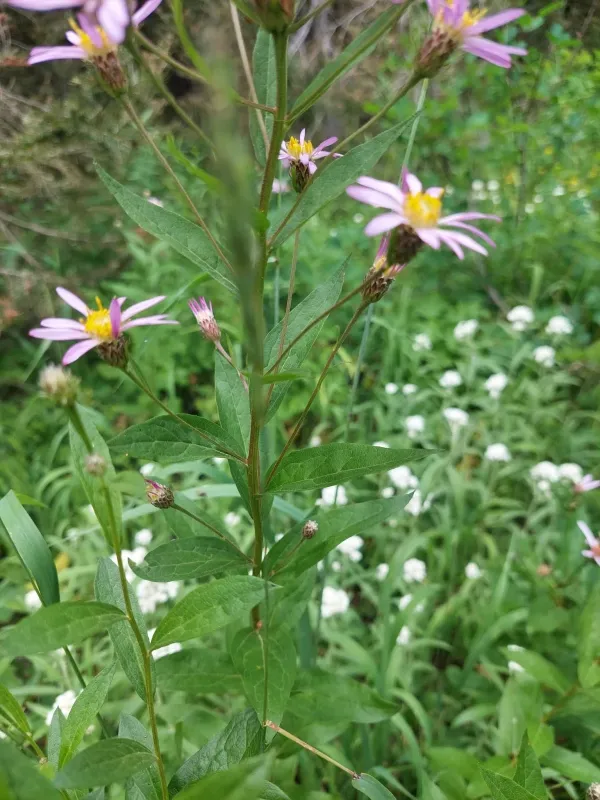
Description
Sowing dates
Seeds of Eucephalus engelmannii require a cold stratification period to germinate effectively, which is why sowing is most successful during the autumn season outdoors.
For spring propagation, seeds must be kept in moist conditions at low temperatures (around 4°C) for several weeks prior to sowing to break seed dormancy.
Starting plants in a controlled greenhouse environment allows for better survival rates, ensuring the seedlings are strong enough before transplanting into the field.
When sowing in trays, a light, well-draining seed-starting mix should be used, covering the seeds only lightly with a thin layer of fine vermiculite or soil.
Proper spacing is essential during the final planting stage to allow the plants to develop into their characteristic clumping habit without overcrowding each other.
Growing requirements
Engelmann's aster belongs to the Asteraceae family and is native to the mountainous regions of Western North America, reflecting its hardiness and environmental needs.
The plant thrives in well-drained, nutrient-rich soils and performs best in locations that receive full sun, although it can tolerate partial shade in hotter climates.
It prefers a temperate climate and is well-adapted to cooler conditions, showing significant frost tolerance once the root system is fully established in the ground.
Adequate moisture is required throughout the growing season, but the plant is sensitive to waterlogged soils, which can lead to rapid root deterioration.
Annual maintenance tasks should include deadheading faded blooms to prevent excessive self-seeding and to encourage the plant to store energy for the following year.
Main diseases and pests
The main threats to this perennial include fungal diseases such as powdery mildew, which can become prevalent in conditions with high humidity and poor airflow.
Root rot is a common issue when the soil remains too wet for extended periods, making proper drainage the most critical factor for the long-term health of the crop.
Aphids and spider mites are potential pests that may colonize the undersides of leaves during dry spells, often requiring targeted organic or chemical management.
Slugs and snails can also damage young spring growth, making physical or biological barriers an important part of the early-season integrated pest management strategy.
Preventative measures, such as avoiding overhead watering and maintaining adequate plant spacing, are usually sufficient to mitigate the risk of severe disease outbreaks.