
Echinacea simulata
Echinacea simulata
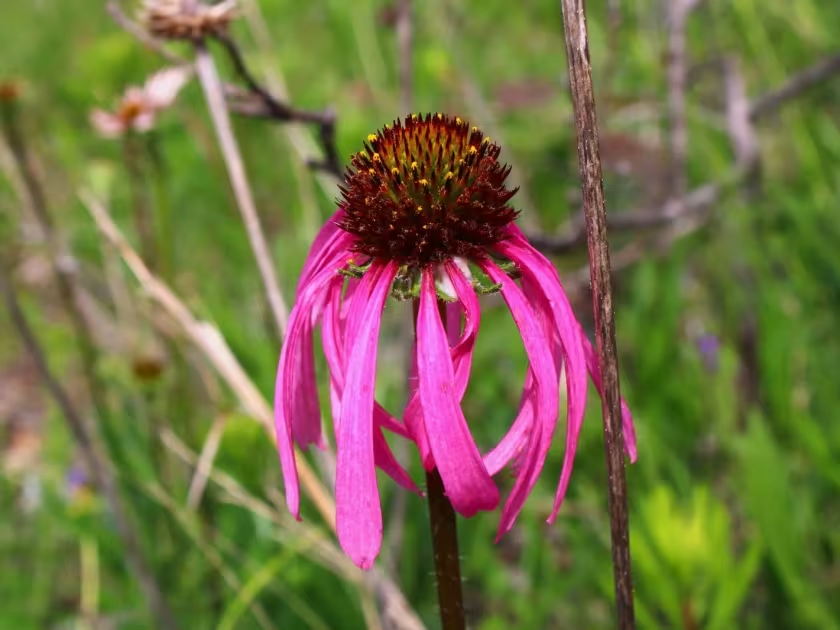
Description
Sowing dates
Sowing seeds of Echinacea simulata is most successful when performed in late autumn or early spring, provided they undergo a cold stratification period.
Stratification is essential for this species to break dormancy and ensure high germination rates, as the seeds often remain inactive without low temperatures.
When starting indoors, seeds should be sown in containers 6 to 8 weeks before the last expected frost date to allow sufficient time for development.
The seeds require light to germinate effectively; therefore, they should be lightly pressed into the soil surface rather than buried deeply under substrate.
Maintaining a consistent spacing of 30 to 40 centimeters between plants promotes healthy air circulation and prevents overcrowding in the field or garden.
Growing requirements
As a member of the Asteraceae family, Echinacea simulata thrives in full sun exposure and is highly adapted to open, well-lit environments.
This species is exceptionally drought-tolerant, making it well-suited for sandy or rocky soils that exhibit excellent drainage throughout the seasons.
Good soil drainage is a critical requirement, as excessive moisture during dormant winter months can lead to root rot and loss of plant vigor.
The plant prefers neutral to slightly acidic soil conditions and does not require frequent heavy fertilization, as it is adapted to nutrient-poor prairie soils.
High temperatures are generally well-tolerated, allowing the plant to remain resilient throughout intense summer heat periods common in its native range.
Yield
The primary economic value of Echinacea simulata lies in its phytochemical profile, specifically compounds stored in the roots for pharmaceutical use.
These bioactive compounds are utilized globally for their potential immunomodulatory effects, supporting the demand for sustainable herbal cultivation.
In addition to medicinal uses, the plant serves as a high-quality ornamental crop due to its unique drooping petals and distinct floral structure.
Yield stabilization typically occurs in the third year of growth, which is when the root biomass is considered mature for harvesting purposes.
Productivity is maximized when plants are grown in optimal sunlight conditions with minimal competition from invasive weeds during the establishment phase.
Main diseases and pests
Excessive soil and air humidity remain the primary threats to crop health, often leading to fungal outbreaks that can compromise the root system.
Powdery mildew may manifest as a white coating on the leaves, particularly in areas where plants are spaced too closely for effective ventilation.
While generally hardy, young seedlings can be susceptible to aphids or other sucking insects that may weaken the plant if left untreated.
Root rot caused by stagnant water is the most common cause of mortality in Echinacea plantations, requiring careful site selection and drainage management.
Implementing integrated pest management practices helps mitigate risks without relying on harsh chemicals that could affect the quality of the raw material.
Harvesting
Root harvesting is best conducted in the autumn, once the plant has reached physiological maturity and the aerial foliage begins to decline.
The roots must be extracted carefully, cleaned of all soil particles, and washed thoroughly with water to ensure a high standard of purity.
Drying the material requires well-ventilated, shaded conditions to prevent degradation of the active compounds due to excessive heat or direct sunlight.
For ornamental or floral use, the flower heads should be harvested when they are just beginning to open to ensure maximum durability in arrangements.
Once dried, the botanical material should be stored in cool, dry conditions to maintain its shelf life and pharmaceutical potency for long-term supply.