
Dendrophorbium peregrinum
Dendrophorbium peregrinum
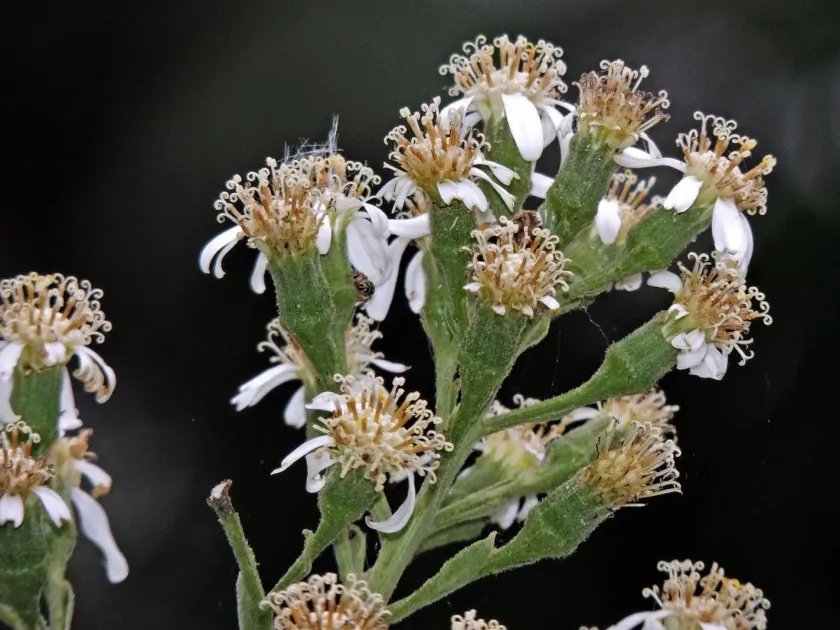
Description
Growing requirements
Dendrophorbium peregrinum is a distinct species belonging to the Asteraceae family. Known for its adaptation to high-altitude environments, this crop requires specific microclimatic conditions to reach its full vegetative potential in agricultural settings.
The ideal soil for this species is a well-draining, nutrient-rich loam with a neutral pH level. Soil structure must be maintained to allow oxygen circulation around the root zone, as compacted soil can lead to rapid physiological decline and nutrient lock-out.
Climate requirements center on temperature stability. The plant performs best in moderate environments ranging from 15°C to 22°C. Avoiding extreme heat and frost is essential, often necessitating the use of protected environment systems like greenhouses or tunnels in regions with variable climates.
Light management is a critical agrotechnical factor. While it thrives in natural high-altitude light levels, intensity must be regulated in agricultural production to prevent photo-inhibition and excessive transpiration, which can cause leaf desiccation.
Watering practices should emphasize precision. Drip irrigation systems are highly recommended to deliver water directly to the root zone while keeping the foliage dry, thereby reducing the risk of water-borne pathogens and fungal colonization on the plant surface.
Main diseases and pests
Pathogen pressure, specifically from fungal agents such as Rhizoctonia and Pythium, represents a significant threat to crop health. These diseases typically manifest when drainage is inadequate or when humidity levels within the growing area remain consistently high.
Pest infestations, particularly by aphids and spider mites, pose a persistent challenge in large-scale cultivation. These pests thrive in warm, sheltered environments and can lead to severe stunting if not monitored and managed through regular scouting and biological control.
Sanitation protocols within the production facility are essential to minimize the spread of diseases. Tools and equipment must be disinfected regularly, and crop debris should be promptly removed from the site to break the life cycle of common agricultural pathogens.
Competition from invasive plant species is particularly detrimental during the crop's establishment phase. Implementing effective mulching strategies or mechanical weed control early in the season is vital to ensure the crop gains a competitive advantage over surrounding vegetation.
Integrated Pest Management (IPM) strategies, which prioritize beneficial insects and selective bio-pesticides, are the preferred approach for maintaining long-term sustainability. This strategy ensures the production of high-quality biomass while minimizing chemical residues in the final product.