
Artemisia tournefortiana
Artemisia tournefortiana
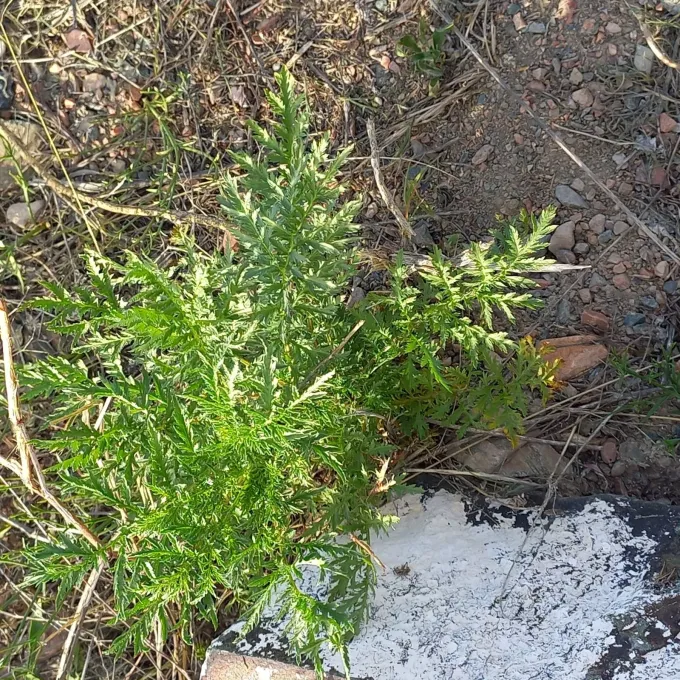
Description
Sowing dates
Artemisia tournefortiana is a medicinal plant belonging to the Asteraceae family. It is an annual herbaceous crop that is primarily grown from seeds, showing significant potential in specific cultivation environments.
The optimal sowing time is in early spring when soil temperatures reach 8–10 degrees Celsius. The seeds are small and require careful shallow planting at a depth of 1–2 centimeters to ensure effective germination and emergence.
Row spacing should be maintained at 45–60 centimeters to allow for optimal plant development and subsequent mechanical operations. Adequate moisture must be provided during the initial stages to facilitate rapid establishment of the seedlings.
The plant exhibits vigorous growth during the long photoperiods typical of late spring and early summer. Proper plant density is essential to minimize intraspecific competition and to ensure that each plant reaches its maximum potential for biomass production.
Seedbed preparation requires a fine, loose soil structure to facilitate root development. Proper preparation allows for uniform emergence, which is a key factor in ensuring a predictable and high-quality harvest later in the season.
Growing requirements
Artemisia tournefortiana thrives in light, well-drained, sandy or loamy soils. It has a high tolerance for drought but is extremely sensitive to waterlogging, which can cause severe root diseases and inhibit growth.
As a sun-loving species, it requires maximum solar radiation throughout the growing season. Shaded conditions significantly reduce the accumulation of secondary metabolites, specifically essential oils, which are critical for the plant's economic value.
The soil pH should ideally remain within the neutral to slightly alkaline range (6.5–7.5). The plant is moderately tolerant of soil salinity but performs best in well-aerated environments with good drainage systems.
Agricultural management includes regular inter-row cultivation to keep the field free from weeds and to improve soil aeration. Weed management is crucial during the early stages of growth when the plant is most vulnerable to competition.
Fertilization should be balanced, focusing on avoiding excessive nitrogen, which can lead to rapid stem elongation and decreased quality of the harvested medicinal material. Phosphorus and potassium are preferred to support healthy reproductive growth.
Yield
The yield of Artemisia tournefortiana can reach 10–15 tons of fresh biomass per hectare under ideal growing conditions. Productivity is heavily dependent on soil fertility, moisture availability, and the management of weed populations.
The quality of the final product, often measured by the content of active essential oils and flavonoids, is the primary economic driver. Achieving high quality requires harvesting during the peak flowering stage to maximize the concentration of these compounds.
Yield stability is maintained by implementing precision farming techniques and monitoring for environmental stress. Dry years, while generally manageable due to the plant's drought tolerance, may require supplemental irrigation to reach target yield figures.
Regular monitoring of plant development allows for timely adjustments in fertilization and pest management strategies. Such interventions ensure that the crop matures uniformly, facilitating efficient harvesting and processing.
Post-harvest handling is critical to preserving the yield quality. Quick transfer from the field to the drying facility prevents degradation of volatile oils, ensuring the final dry product meets stringent quality standards required for pharmaceutical applications.
Main diseases and pests
Root rot, particularly that caused by Fusarium species, is a significant threat in poorly drained or waterlogged soils. This disease can cause rapid plant wilting and should be managed primarily through site selection and drainage improvement.
Aphids and various weevils are the primary pests that damage leaves and young shoots. These insects tend to thrive in dry conditions and can cause severe defoliation if left uncontrolled, negatively impacting the plant's photosynthetic capacity.
Powdery mildew can become an issue in environments with high humidity and poor air circulation. This fungal disease creates a white coating on the leaves, leading to stunted growth and reduced quality of the medicinal material.
Integrated pest management (IPM) is the preferred approach for this crop. Because it is used for medicinal purposes, the use of chemical pesticides should be limited or strictly controlled, favoring biological controls and cultural practices instead.
Proper field sanitation, including the removal of infected plants and control of nearby weed hosts, is essential to minimize the risk of disease spread. Crop rotation with non-host crops is also recommended to reduce the pressure of soil-borne pathogens.
Harvesting
The harvest should occur during the full flowering phase, as this is when the concentration of beneficial biochemical components is at its peak. Delaying the harvest can result in lower oil content as the plant diverts energy toward seed production.
Mechanical harvesting is generally performed by cutting the upper 30–40 centimeters of the plants. This method ensures that only the high-quality parts of the plant are harvested, excluding the woody lower stems that lack medicinal value.
Immediately after cutting, the biomass must be transported to a drying facility. Controlled drying at temperatures below 45 degrees Celsius is necessary to preserve the delicate volatile compounds that give the plant its characteristic aroma and potency.
Once dried, the raw material can be processed, milled, or packaged depending on the specific requirements of the market. Ensuring the absence of foreign material is crucial for maintaining the premium quality of the final medicinal product.
Storage must take place in a cool, dark, and dry environment. Utilizing breathable packaging like paper or cloth bags allows for air circulation, preventing moisture buildup and ensuring the longevity of the plant's chemical integrity.