
Corethrogyne filaginifolia
Corethrogyne filaginifolia
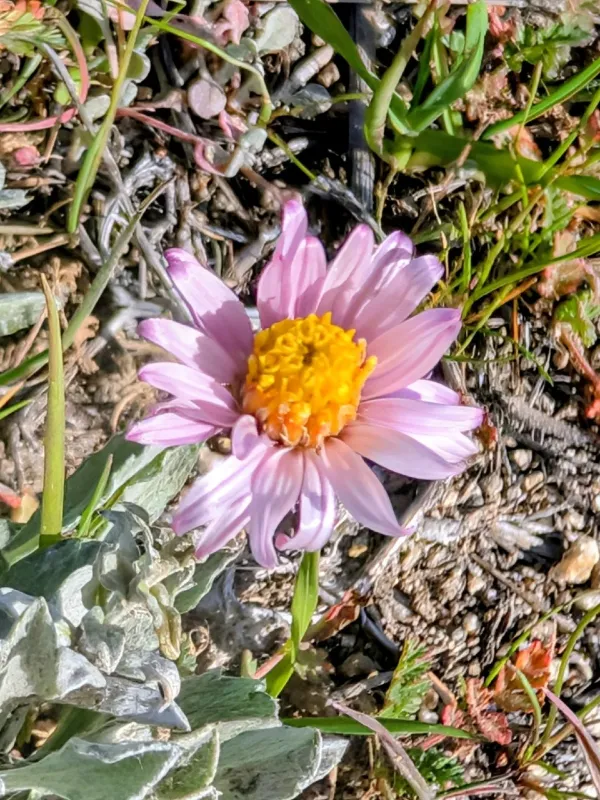
Description
Sowing dates
Sowing Corethrogyne filaginifolia seeds is best performed in early spring once the risk of frost has passed. Seeds often benefit from a period of stratification to break dormancy and ensure uniform germination across the crop.
The use of a loose, well-draining germination medium is essential. Seeds should be sown on the surface or covered very lightly with fine sand, as they require a certain amount of light to stimulate growth.
Seedlings should be kept in a bright location but shielded from intense midday sun. Proper moisture management during the initial stages is crucial to avoid damping-off, a common issue in seedling trays.
Transplanting into individual pots should be done when the first set of true leaves develops. This practice encourages a strong root system, which is vital for the plant's long-term survival in garden beds.
Once the plants reach a size of about 15 centimeters, they are ready for hardening off. This process should take at least a week to gradually introduce them to outdoor environmental conditions.
Growing requirements
Corethrogyne filaginifolia, a member of the Asteraceae family, thrives in full sun. It is a highly resilient plant that is naturally adapted to the coastal climates of California, favoring well-drained, sandy soils.
While it is drought-tolerant once established, the plant requires consistent moisture during its first year of growth. Once the root system is deep and established, supplemental watering should be drastically reduced.
Soil pH should ideally be neutral or slightly acidic. If planting in heavy clay soils, incorporating organic matter and inorganic grit is necessary to improve drainage and prevent root rot.
Temperature requirements are moderate. The plant does not favor extreme humidity or prolonged stagnant air conditions. Adequate spacing is essential to ensure good air circulation around the foliage.
Fertilization is rarely needed, as the plant is adapted to nutrient-poor soils. Excessive nitrogen can lead to rapid, weak growth that makes the plant more susceptible to pests and environmental stress.
Main diseases and pests
Root rot is the most common threat to this species, particularly in regions with high rainfall or heavy soil textures. Ensuring perfect drainage is the most effective preventative measure against this disease.
Aphids can occasionally colonize the flower buds during the spring growth flush. These can usually be managed with a gentle water spray or the application of insecticidal soaps if an infestation occurs.
Powdery mildew may occur if the planting site lacks sufficient airflow or if the foliage remains wet for extended periods. Pruning surrounding vegetation can improve conditions and limit the spread of spores.
Wildlife, such as rabbits, may graze on young plants. Installing protective fencing during the first season is a recommended strategy to allow the plants to reach a robust size.
- Maintain high soil drainage.
- Avoid overhead irrigation.
- Keep the site free of debris.
- Use systemic biological treatments for pest control.
Harvesting
Harvesting the flowering stems of Corethrogyne filaginifolia should be timed to when the blooms are fully open. Early morning is the best time for cutting, as this ensures the stems retain maximum turgor.
Clean, sharp garden shears are recommended for cutting to avoid crushing the vascular tissues of the stem. It is best to harvest before the hottest part of the day to ensure longevity in arrangements.
For dried floral displays, the stems should be hung upside down in a cool, dark, and dry environment. This method prevents the heads from drooping and preserves the plant's unique texture and color.
Seed collection is possible once the flower heads have withered and turned a dull brown. The heads should be harvested when they are fully dry but before the seeds have dispersed by wind.
Collected seeds should be stored in breathable paper bags in a cool environment. Proper labeling is recommended to track the collection date and ensure seed viability for the following season.