
Chrysanthemum dichrum x Opisthopappus taihangensis hybrid
Chrysanthemum dichrum x Opisthopappus taihangensis
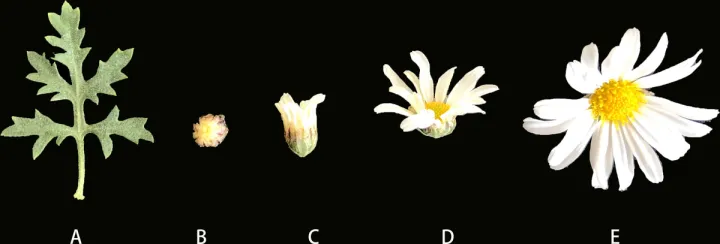
Description
Sowing dates
Propagation of this intergeneric hybrid is most commonly achieved through vegetative methods, such as division of the bush or stem cuttings. The optimal time for planting and transplanting is in the spring, once the threat of late frosts has passed, or in early autumn to allow for root establishment before winter.
Seed propagation is difficult due to the hybrid nature of the plant; therefore, professional nurseries prefer cuttings from young shoots. Cuttings are placed in a light, well-draining substrate and kept in greenhouse conditions until they are fully rooted.
Soil preparation should be done in advance, incorporating organic fertilizers to improve soil structure. The plant prefers loose, porous soil with a neutral or slightly alkaline pH, mirroring the conditions of its ancestors' natural limestone mountain habitats.
When planting outdoors, maintain a spacing of at least 30-40 centimeters between plants. This ensures proper root system development and prevents the onset of fungal diseases that thrive in crowded planting conditions.
Mulching around the base of the plant is an important step to help maintain optimal soil temperature for the roots. During the first year after planting, it is recommended to pinch back the tips to stimulate lateral growth and create a more compact, bushy plant habit.
Growing requirements
This culture belongs to the Asteraceae family and inherits the hardiness of both parent species. The plant's ancestors are native to the rocky slopes of China, which defines its high tolerance for arid conditions and nutrient-poor soil compositions.
A sunny location with protection from strong winds is required for optimal growth. The plant reacts poorly to waterlogging in the root zone, making a high-quality drainage layer essential, especially when grown in containers or heavy clay soils.
The hybrid shows excellent adaptation to the temperature fluctuations typical of mountain regions, although it may require minimal winter protection in extremely cold climates. In temperate zones, mulching the root system with dry peat or leaves is a standard maintenance practice.
Irrigation should be moderate; the plant tolerates short periods of drought much better than over-saturated soil. During the peak growing season and budding stage, the application of complex mineral fertilizers with low nitrogen content is recommended.
Regular maintenance also includes the pruning of spent blooms, which prevents the plant from wasting energy on seed production and promotes a more extended flowering period throughout the autumn months.
Main diseases and pests
The primary threats to this hybrid are fungal diseases, such as powdery mildew, which can occur if there is poor air circulation and high ambient humidity. Regular weeding and maintaining space around the bush significantly reduce the risk of infection.
Common pests include aphids and spider mites, particularly during dry, hot summer spells. Upon noticing the first signs of infestation, use biological or systemic insecticides with a broad spectrum of activity to protect the foliage.
In heavy soil conditions, root rot is a possibility, so strict monitoring of watering practices is crucial. Preventative treatment with fungicides at the beginning of the season helps stop the development of pathogens during the early growth stages.
Nematodes may attack the root system, leading to stunted growth and leaf wilting, despite adequate watering. If nematode symptoms are detected, infected plants should be removed and destroyed immediately to prevent the spread of the pest.
Slugs and snails can cause damage to young shoots in the spring, so it is advisable to use barrier protection methods or specialized granular bait around the base of the plants.