
Chlamydophora tridentata
Chlamydophora tridentata
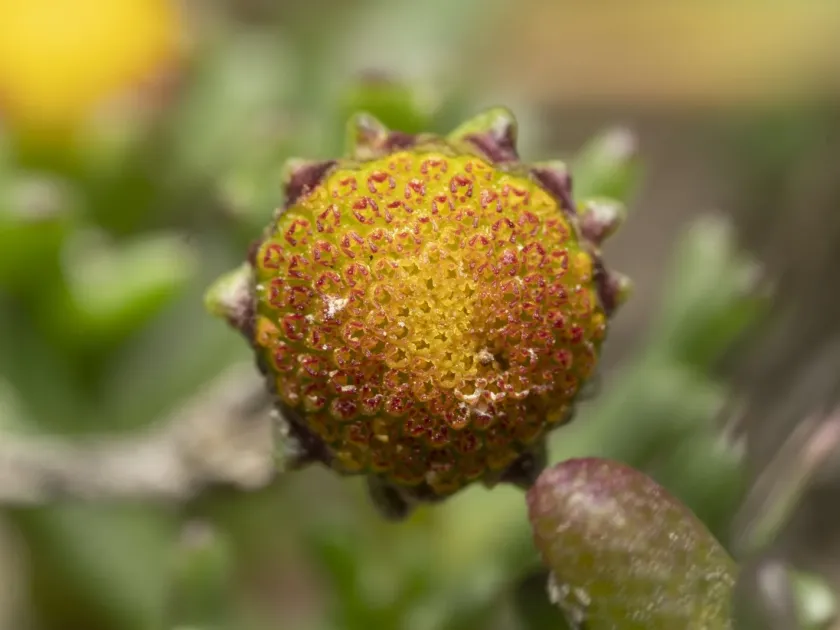
Description
Growing requirements
Chlamydophora tridentata is an annual herbaceous plant belonging to the Asteraceae family. It is a specialized species native to the arid environments of North Africa, primarily found in desert and semi-desert habitats where it survives through rapid growth cycles.
The plant exhibits remarkable physiological adaptations to extreme aridity. Its life strategy is centered on completing its vegetation period immediately after rare rainfall events, allowing it to produce seeds that remain dormant in the soil until the next suitable season.
Climate requirements for this species include high thermal tolerance and an ability to thrive under intense solar radiation. It is strictly adapted to dry climates where annual precipitation is minimal, making it an essential component of the desert ecosystem.
Regarding soil preferences, Chlamydophora tridentata favors sandy, well-drained, and nutrient-poor substrates. It is capable of developing a root system that reaches deep into the soil to extract minimal moisture, which is vital for its survival during periods of prolonged drought.
In agricultural practice, this plant is valued for its contribution to stabilizing soil in arid regions and providing forage for nomadic livestock such as camels and sheep. It helps maintain the nutritional balance of grazing animals in environments where standard crops cannot be cultivated.
Main diseases and pests
Major threats to Chlamydophora tridentata populations include root pathogens that emerge during unseasonal, excessive rain. High humidity in the root zone can rapidly lead to fungal infections, causing significant losses in plant populations.
Pests, particularly locusts and other grasshoppers, pose a constant risk to the vegetation. These insects can quickly consume large areas of the plant cover, which creates shortages in the local forage supply for livestock.
Competition from invasive plant species, which are increasingly encroaching on desert territories, also threatens the stability of the crop. These invasive plants often compete for scarce water resources, effectively crowding out the native Chlamydophora.
Overgrazing is a significant factor contributing to the degradation of these plants. When livestock density is not controlled, the plants are eaten before they reach the stage of seed dispersal, which hinders the population's ability to regenerate naturally in the following seasons.
Effective management requires controlled grazing schedules and ecological monitoring to ensure that the species continues to fulfill its role in desertification control. Integrated pest management, focusing on biological control, is the preferred strategy given the sensitivity of arid biomes.