
Chardinia orientalis
Chardinia orientalis
Description
Sowing dates
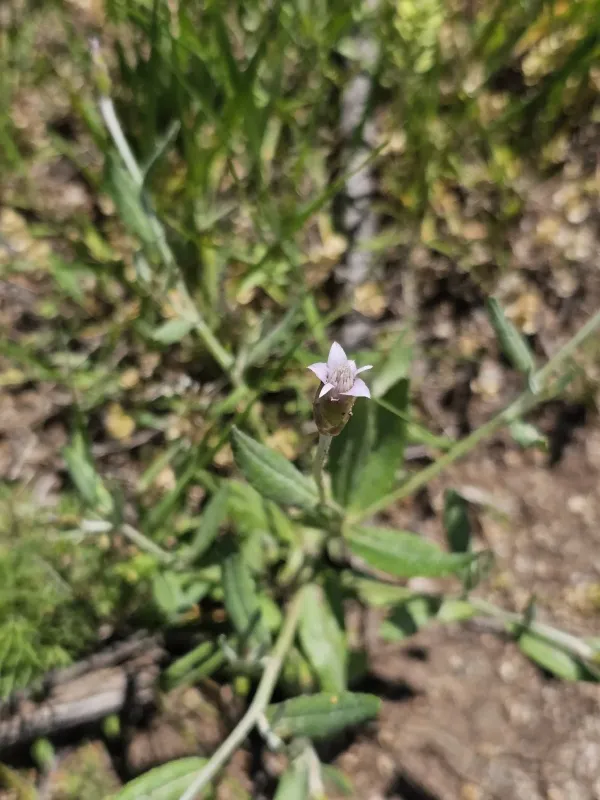
Chardinia orientalis is an annual herbaceous plant belonging to the Asteraceae family. As an ephemeral species, its natural lifecycle is closely linked to the early spring period, taking advantage of the moisture stored in the soil after the winter season.
For agricultural purposes, sowing is typically carried out in early spring, as soon as the soil reaches the necessary physical maturity. Early sowing is crucial to provide the seeds with sufficient moisture for germination, which is a limiting factor for this species in arid conditions.
The optimal temperature range for germination is moderate, typically between 10 and 15 degrees Celsius. While the plant can withstand minor frosts, prolonged cold spells after germination may cause significant growth delays and reduce overall biomass production.
Seeds should be placed at a depth of 1 to 2 centimeters. Because the seeds are small, deeper sowing significantly reduces the energy of germination and the probability of healthy seedling emergence, which is a common challenge in field cultivation.
The seeding rate must be balanced to ensure that each plant has enough space for proper development. High density might lead to premature flowering and smaller seed heads, which directly affects the economic yield of the crop.
Growing requirements
The plant is highly heliophilic, meaning it requires full sunlight to achieve its maximum potential. Shading from neighboring weeds or taller crop species significantly impairs growth and reduces the quality of the harvested produce.
Chardinia orientalis prefers well-drained, light soils with a neutral to slightly alkaline pH. Soils prone to compaction or waterlogging are unsuitable, as they hinder root respiration and promote the development of root-borne pathogens.
While the species exhibits remarkable drought tolerance once established, it requires consistent moisture during the early vegetative stage. Adequate water availability ensures the development of a robust root system capable of sustaining the plant through later dry periods.
In terms of fertilization, phosphorus and potassium are the most important elements for this crop. Excessive nitrogen application should be avoided, as it encourages excessive vegetative growth, which may delay the reproductive cycle and weaken the plant's natural resistance.
Effective crop rotation is essential to maintain soil health. It is strongly advised against planting Chardinia orientalis in fields previously occupied by other members of the Asteraceae family to prevent the build-up of specialized pests and soil-borne diseases.
Main diseases and pests
Fungal diseases, especially those causing root rot, represent the primary threat to this crop. High humidity levels at the soil surface significantly increase the risk of infection, especially if the planting density is too high for the site.
Pests such as aphids and various weevils can cause substantial damage to the flower heads during the budding phase. This damage can lead to a drastic reduction in seed viability and yield, necessitating careful field monitoring during the critical growth stages.
Weed control is a major requirement, particularly in the first few weeks after germination. The slow initial growth of the plant makes it vulnerable to aggressive weed species that can easily outcompete the crop for light and nutrients.
Integrated pest management strategies are recommended, focusing on preventative measures like seed treatment and maintaining adequate spacing. Keeping the field free from debris and ensuring proper air circulation help mitigate the spread of potential pathogens.
Chemical protection should be used as a last resort, strictly adhering to application rates. Growers must ensure that any pest control intervention does not interfere with the plant's delicate reproductive structure or its susceptibility to seasonal stresses.