
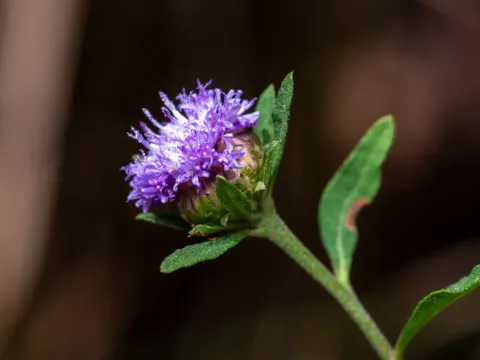
Centratherum
Centratherum
Sowing seeds of Centratherum should be initiated in late winter or early spring to ensure the plants are well-established before transplanting outdoors.
What the section contains

Centratherum
Seeds are surface-sown on a light, well-draining seed-starting mix, as light exposure is often beneficial for the germination process of this species.
Maintain a constant temperature between 20°C and 22°C to achieve optimal germination rates, which typically occur within two weeks under favorable conditions.
Seedlings should be thinned or transplanted into individual pots once they develop their first set of true leaves to prevent crowding.
Hardening off the plants is a critical step before transferring them to permanent garden beds to minimize transplant shock.
Centratherum is a member of the Asteraceae family, often recognized for its unique purple, button-like flower heads and aromatic foliage.
Native to tropical regions of Asia and Australia, this plant thrives in warm climates with plenty of direct sunlight or light partial shade.
Well-draining, nutrient-rich soil is essential for the healthy growth of the plant, as it is highly susceptible to root issues caused by soggy soil.
Regular irrigation is required during dry spells, although the soil surface should be allowed to dry slightly between watering sessions.
Fertilizing with a balanced liquid fertilizer during the active growing season promotes continuous blooming and robust vegetative development.
Spider mites are common pests that target Centratherum during hot and dry spells, necessitating regular inspection of the leaf undersides.
Aphids can accumulate on the tender new growth, causing curling and stunted development, and may require manual removal or soap-based insecticides.
Root rot is a major threat caused by overwatering or poorly aerated soil, which can lead to the rapid decline of the entire plant.
Powdery mildew may occur if air circulation is restricted or if the plants are spaced too closely together in humid environments.
Good garden hygiene, such as removing debris and weeds, is the primary line of defense against both fungal infections and recurring pest populations.