
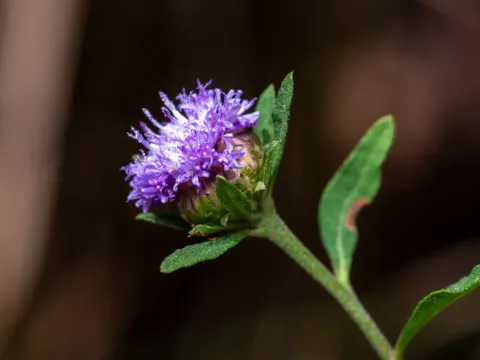
Centratherum riparium
Centratherum riparium
Sowing of Centratherum riparium is primarily conducted during the spring season when soil temperatures reliably reach 15–18 degrees Celsius.
What the section contains
Centratherum riparium
For greenhouse propagation, seeds should be sown in trays during late February or early March to ensure a robust head start for the upcoming season.
Seeds are light-sensitive and require shallow planting depth, typically no more than 0.5 cm, to facilitate proper germination and seedling development.
Adequate moisture must be maintained during the initial stages, with the use of a humidity dome or regular misting to support the delicate young plants.
Thinning the seedlings once they develop their first set of true leaves is essential to prevent overcrowding and ensure adequate airflow for the maturing plants.
Belonging to the Asteraceae family, Centratherum riparium thrives in fertile, well-draining soils that mimic its natural tropical habitat.
The plant demands full sunlight exposure for several hours a day to sustain vigorous growth and promote healthy flower production throughout its cycle.
Consistent soil moisture is critical; however, practitioners must ensure that the soil does not become waterlogged to prevent root system suffocation.
Applying a balanced fertilizer during the vegetative growth phase helps maximize the nutritional status of the crop and enhances overall resilience.
Wind protection is necessary, especially in exposed sites, to safeguard the integrity of the stems which may be prone to damage under harsh gusts.
Root rot, driven by persistent waterlogged conditions and poor soil aeration, represents the most significant threat to this crop's survival.
Powdery mildew may occur if the crop is subjected to stagnant air and high humidity, necessitating improved canopy management practices.
Aphids and spider mites are the most common agricultural pests, often flourishing in warm, dry weather and colonizing tender growth areas.
Integrated pest management, including regular crop scouting and the removal of alternative host weeds, is recommended for effective control.
Timely application of appropriate biological controls or insecticidal soaps can mitigate infestations before they lead to significant economic damage.