
Carphephorus odoratissimus
Carphephorus odoratissimus
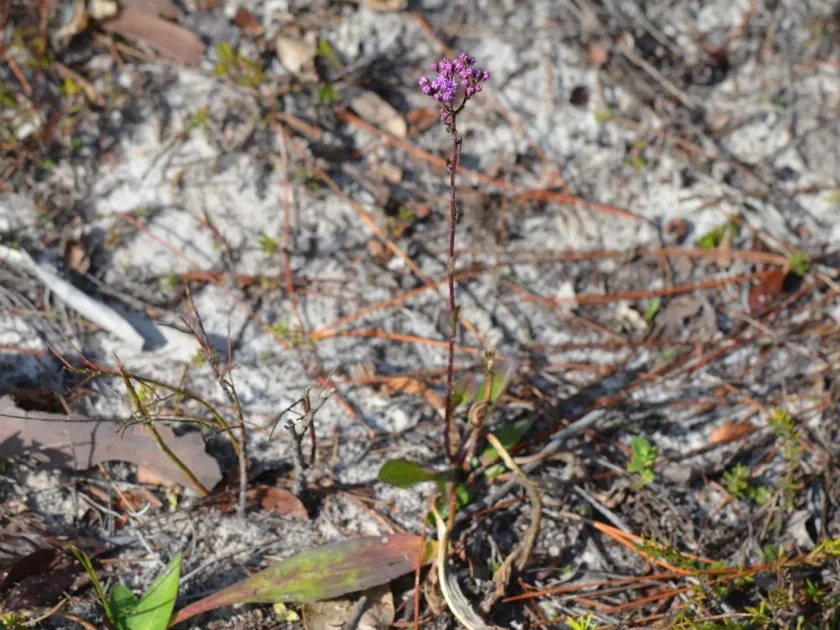
Description
Sowing dates
The propagation of Carphephorus odoratissimus typically begins with seed sowing in late winter within a protected greenhouse environment to ensure a successful start.
Seeds benefit significantly from a period of cold stratification before sowing, as this process effectively breaks dormancy and improves germination rates across the seed tray.
A well-draining, peat-based soil mix is essential for the young seedlings to prevent root rot, which is a common issue during the initial stages of plant development.
Once the seedlings develop their first true leaves, they should be carefully pricked out and transplanted into individual pots to foster a strong root system before field planting.
When moving plants outdoors, it is important to gradually harden them off over a week to help them adapt to ambient sunlight and varying outdoor temperature fluctuations.
Growing requirements
Native to the southeastern United States, this perennial plant thrives in sandy or loamy soils that provide excellent drainage while maintaining adequate moisture levels.
It prefers full sun to light shade conditions, making it adaptable to various landscape designs, provided it receives enough light to promote vigorous foliage growth.
The soil pH should ideally remain slightly acidic to neutral, as extremes in alkalinity can lead to nutrient deficiencies and stunted growth in this specific species.
While the plant is relatively resilient, consistent moisture is required during the first growing season to establish deep roots that will sustain it in later years.
Avoiding heavy, compacted soils is vital for the health of Carphephorus odoratissimus, as the plant demands significant oxygen exposure for its root architecture.
Yield
Yields of Carphephorus odoratissimus are primarily determined by the volume of aromatic foliage harvested, which typically increases significantly after the first year.
Optimal productivity is achieved through a combination of strategic harvesting intervals and consistent soil fertility management throughout the peak growing season.
Regular fertilization with balanced nutrients helps the plant recover quickly after each harvest, ensuring multiple cuttings can be taken before the frost sets in.
Data suggests that established patches of this plant can yield substantial amounts of biomass, making it a viable crop for small-scale specialty herb farms.
Managing the plant density is a key factor in maximizing yield, as proper spacing ensures that each plant receives enough resources to grow to its full potential.
Main diseases and pests
Fungal pathogens remain the primary concern for this crop, especially in humid regions where poor air circulation can encourage the development of leaf spot diseases.
Root rot is frequently linked to over-watering or poor soil drainage, necessitating careful monitoring of soil moisture content throughout the active growing cycle.
Aphids and spider mites are common pests that can inflict damage on the tender leaves, which directly impacts the quality of the harvested aromatic raw material.
Implementing biological control measures, such as introducing predatory insects, serves as an effective way to manage pest populations without the need for synthetic chemicals.
Maintaining a clean cultivation environment by removing debris and weeds helps minimize the risk of spreading pathogens from one season to the next.
Harvesting
The harvest timing is critical for Carphephorus odoratissimus, as the leaves must be picked just as the plant begins to produce flower buds for maximum potency.
Using sanitized harvesting shears, workers cut the foliage at the base, ensuring they leave enough green material for the plant to continue its metabolic processes.
Post-harvest management involves rapid drying in shaded areas with high airflow to lock in the volatile compounds responsible for the plant's signature vanilla scent.
Proper drying prevents the growth of unwanted molds and ensures that the chemical composition of the leaves remains stable during the curing process.
Storage should take place in cool, dark environments using airtight containers, which preserves the aromatic integrity and shelf life of the dried botanical product.