
Calyptocarpus biaristatus
Calyptocarpus biaristatus
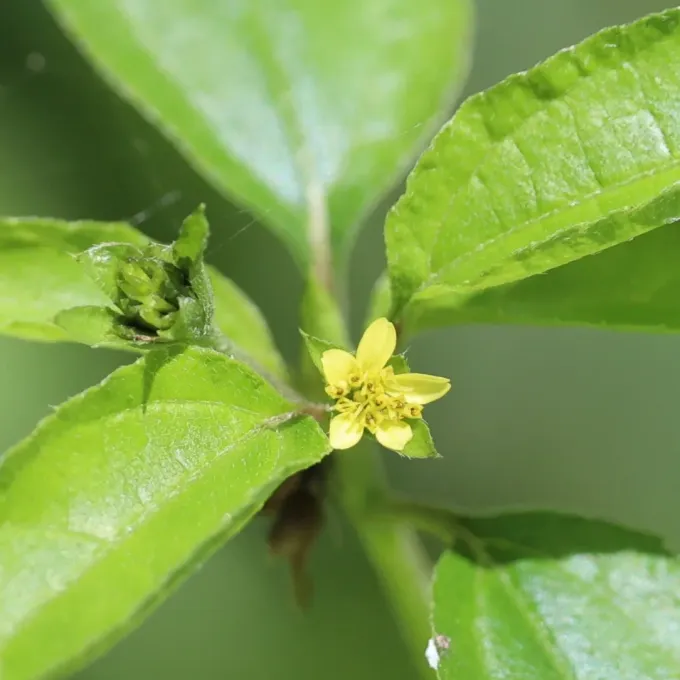
Description
Sowing dates
Calyptocarpus biaristatus is a hardy herbaceous perennial belonging to the Asteraceae family. In agricultural practice, it is typically propagated through seeds, which are sown during the spring season once the frost risk has passed.
The seeds require light to germinate effectively, so they should be sown shallowly into a fine, prepared seedbed. Temperatures around 18 to 22 degrees Celsius are ideal for rapid germination.
Propagation by division is an alternative method, often used to create dense ground cover patches quickly. This involves separating mature clumps during the early vegetative phase.
Standard row spacing depends on the primary use, whether for erosion control or as a forage component, typically ranging from 20 to 40 centimeters apart.
Maintaining consistent soil moisture immediately following the sowing process is vital to ensure successful establishment of the seedlings.
Growing requirements
This species thrives in full sun but maintains good vigor under partial shade conditions. Light exposure is the primary determinant of its leaf density and growth rate.
Regarding soil, Calyptocarpus biaristatus is quite adaptable to different soil types, ranging from sandy loams to heavier clays, provided that drainage is adequate.
The plant demonstrates good tolerance to dry spells once fully established, making it a sustainable choice for environments where irrigation may be restricted.
Fertilization with balanced NPK formulas during the initial growing stage supports the rapid development of shoots and strengthens the root system.
Regular maintenance involves light pruning if the plant is being used for landscape purposes, which encourages denser branching and lateral spread.
Main diseases and pests
The primary threats to this culture are associated with soil drainage. Persistent waterlogging can lead to fungal pathogens causing root rot and overall plant decline.
Insect pests such as aphids and spider mites are known to infest the succulent leaves during periods of heat stress, requiring close monitoring.
Cultural practices such as proper spacing and ensuring adequate airflow are the most effective preventive measures against outbreaks of fungal diseases.
Integrated pest management strategies should prioritize the use of natural predators or soft chemical interventions to preserve the health of the surrounding ecosystem.
Weed competition during the first weeks of growth can significantly stunt development, so diligent weeding is necessary until the plant forms a complete canopy.