
Brown chamomile
Chamaemelum fuscatum
Description
Growing requirements
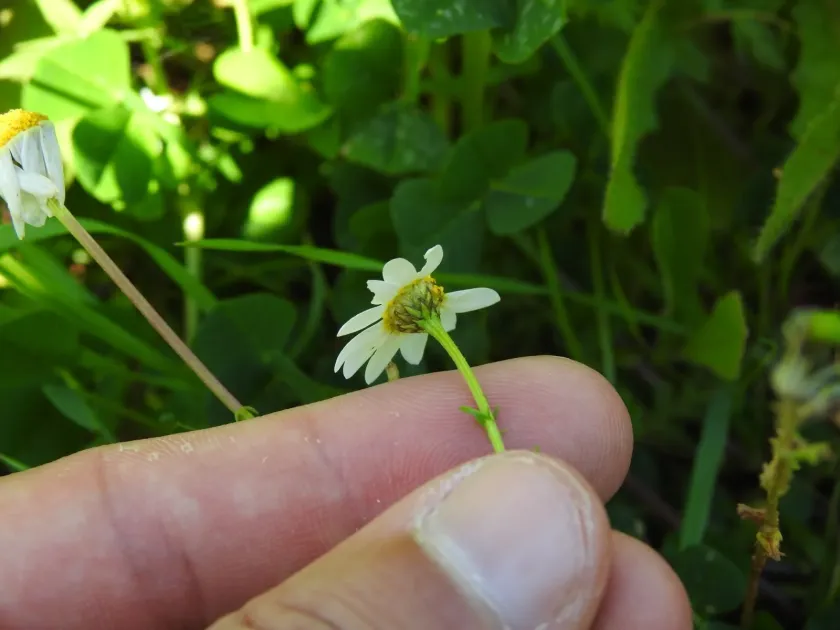
Chamaemelum fuscatum, commonly known as brown chamomile, is an annual plant belonging to the Asteraceae family. It is distinct for its specific floral structure, which differentiates it from other widespread chamomile species found in the genus.
The plant originates from the Mediterranean basin and the western Iberian Peninsula. Its natural habitat includes sandy dunes, coastal meadows, and open rocky terrain where it thrives under high solar radiation and low competition from larger vegetation.
Climatic requirements involve a preference for temperate, frost-free growing seasons. The crop performs best in regions where moisture levels remain moderate during the initial growth stages, followed by a dry period during the seed maturation phase.
Soil conditions are a critical factor for successful production. The species demands well-drained, porous soils that prevent waterlogging. It is highly adaptable to sandy and slightly alkaline soils, which are typical for its natural ecological niche.
Agricultural techniques include row sowing in early spring. Regular weeding is necessary during the seedling phase to ensure the plant establishes a robust root system. The species is highly valued for its secondary metabolites, making it an interesting candidate for specialized herbal cultivation.
Main diseases and pests
Fungal diseases are the primary threat, especially in humid conditions where poor air circulation occurs. Powdery mildew can rapidly spread across the leaves, necessitating thinning of the rows to enhance ventilation within the crop canopy.
Pests such as aphids and leaf miners often target the tender parts of the plant during the early vegetative cycle. Integrated pest management practices, including the use of beneficial insects, are recommended to control these populations.
Root rot is typically associated with over-irrigation or soil compaction. Maintaining a loose soil structure is essential to prevent these physiological issues and to keep the plants healthy throughout the growth period.
Weed competition is a significant concern during the early growth stage. Mechanical inter-row cultivation is the most efficient method for weed control without relying on heavy chemical interventions that could harm the final product quality.
Preventative measures involve crop rotation, avoiding cultivation on plots where previous Asteraceae crops were grown recently. This strategy helps to minimize the accumulation of soil-borne pathogens and preserves soil nutrient balance.