
Brown-eyed Susan
Rudbeckia triloba
Description
Sowing dates
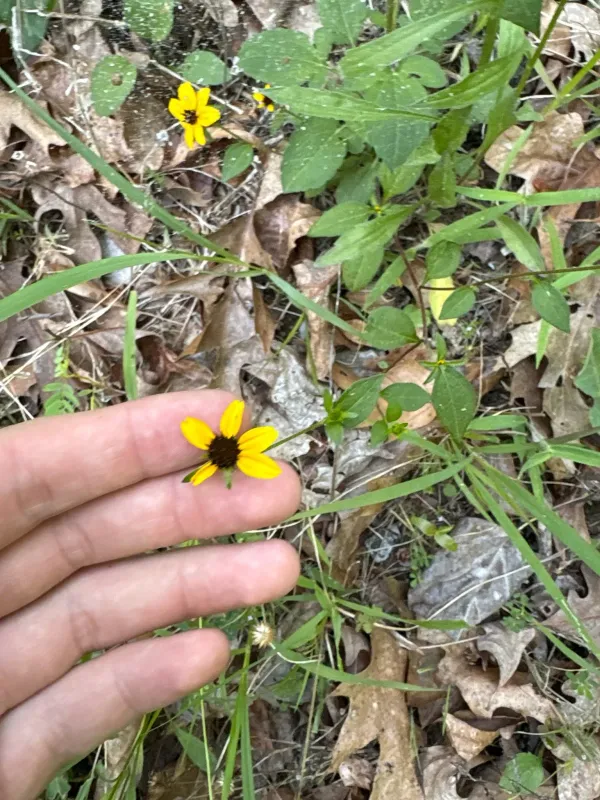
Rudbeckia triloba, commonly known as the Brown-eyed Susan, is a member of the Asteraceae family and is widely appreciated in agriculture and horticulture.
Seeds should be sown in early spring or during the autumn months to allow for natural stratification, which enhances germination rates.
Indoor propagation is highly effective; seeds started in trays during late winter produce vigorous seedlings ready for transplanting by late May.
When sowing directly into the soil, ensure a light cover of substrate, as the seeds require exposure to a small amount of light to initiate development.
Spacing is essential; providing approximately 40–50 cm between plants prevents overcrowding and supports the development of the characteristic branching habit.
Growing requirements
This crop thrives in sunny locations but displays remarkable tolerance for partial shade, making it a versatile choice for various garden settings.
Soil requirements include good drainage and moderate fertility; while the plant is adaptable, it performs best in loamy, nutrient-rich soil conditions.
Regular irrigation is necessary throughout the active growing season, particularly during prolonged dry spells to ensure consistent flower production.
Supplemental feeding with a balanced liquid fertilizer during the initial stage of stem formation promotes stronger, more resilient growth.
Rudbeckia triloba is noted for its hardiness, capable of withstanding varying environmental stressors while maintaining its aesthetic appeal.
Main diseases and pests
Powdery mildew is the primary pathological threat, typically occurring in environments with stagnant air and excessive leaf humidity.
Insect pests, such as aphids or various leaf-feeding beetles, may cause damage to the foliage and buds, necessitating timely monitoring.
Cultural control methods, such as thinning out dense growth and removing diseased plant tissue, are effective in managing the spread of infections.
The use of integrated pest management strategies, including the application of mild horticultural oils, helps in protecting the crop safely.
Maintaining a clean growing area by removing fallen leaves and debris reduces the likelihood of pests overwintering in the soil.
Harvesting
The primary utility of Rudbeckia triloba is found in professional floral design and the enhancement of naturalistic landscape aesthetics.
Flowers are harvested when fully open; cutting in the early morning hours significantly extends their post-harvest longevity in floral arrangements.
Seed harvesting is conducted when the seed heads turn dark and dry, usually at the end of the season, to ensure successful propagation for the next cycle.
Post-season management involves cutting back the plant stems to the base, which assists in winterizing the root system and preparing the bed for dormancy.
Due to its high nectar production, it serves as a vital resource for pollinators, significantly contributing to the local biodiversity of the garden.