
Baccharis genistelloides
Baccharis genistelloides (Lam.) Pers.
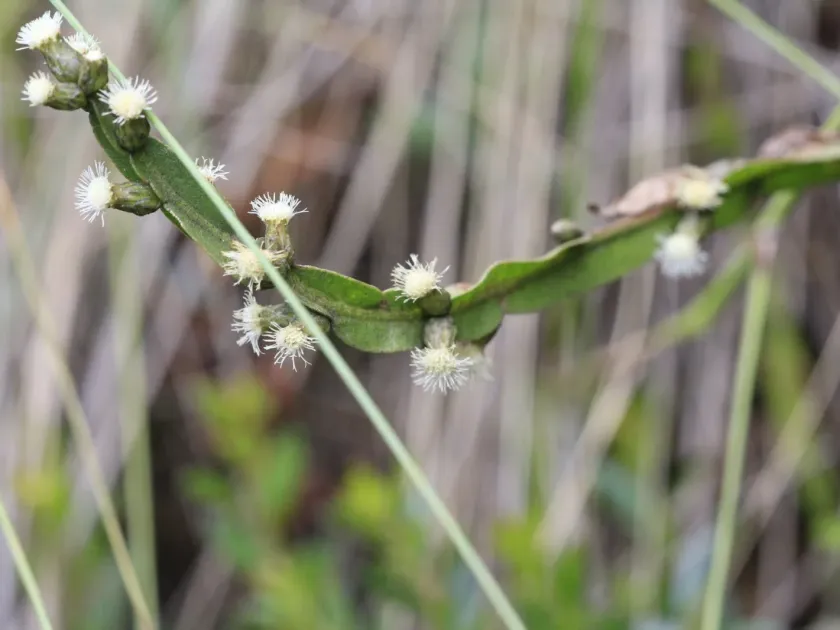
Description
Sowing dates
Baccharis genistelloides is typically propagated through seeds or stem cuttings, which are prepared in nurseries before being transplanted to the main field.
Seeds are sown in a well-draining, nutrient-rich sterile medium during early spring, requiring consistent moisture and temperatures around 20 degrees Celsius.
Young seedlings are sensitive to transplanting, so root ball preservation is essential during the transfer process to ensure successful establishment in the field.
Optimal planting density is crucial to allow for adequate airflow and light penetration, which are vital for the plant's photosynthetic wing-like stems.
Regular monitoring of irrigation is required during the first weeks after transplantation to support the development of a robust root system.
Growing requirements
Belonging to the Asteraceae family, Baccharis genistelloides is native to the Andean regions of South America and is well-adapted to cooler, high-altitude climates.
The plant thrives in full sunlight and does not tolerate shade, which makes site selection for industrial plantations a critical decision for maximum yield.
It prefers light, sandy or loamy soils with excellent drainage, as the plant is highly susceptible to root damage caused by prolonged waterlogging or soil compaction.
While the species is hardy and capable of growing in nutrient-poor soils, modest applications of balanced fertilizers can significantly enhance biomass production.
The plant's distinctive morphological feature, the flat, wing-like stems, allows it to perform efficient photosynthesis while minimizing water loss in harsh environments.
Yield
The economic yield of Baccharis genistelloides is determined by the total dry weight of the stems, which are harvested for their therapeutic compounds.
An established plantation can produce several harvests per year depending on the climatic conditions and the speed of vegetative recovery after the initial cutting.
Proper agronomic management, including weed control and strategic pruning, can lead to yields ranging from 3 to 5 tonnes of dry biomass per hectare annually.
Yield quality is as important as quantity, with the highest concentrations of active principles often occurring just before the plant enters its full flowering stage.
Sustainable harvesting practices, such as rotational cutting, ensure the longevity of the plantation and maintain consistent productivity over multiple seasons.
Main diseases and pests
Baccharis genistelloides is naturally resistant to many common agricultural pests due to the high content of secondary metabolites, such as terpenes and phenolic compounds.
However, excessive soil moisture is a primary threat, as it creates an environment conducive to fungal infections like root rot and crown rot.
Powdery mildew can occur in overly dense plantings where air circulation is restricted, necessitating proper spacing between plants to mitigate this risk.
Occasional aphid outbreaks may occur during dry seasons, which can be managed through biological controls rather than broad-spectrum chemical pesticides.
Early detection through regular field scouting is the best defense against localized infestations, ensuring that remedial actions can be taken before damage spreads.
Harvesting
Harvesting is performed by cutting the aerial stems, typically leaving at least 15 centimeters of growth to encourage rapid regrowth for future cycles.
The timing of the harvest is usually synchronized with the plant's peak flowering phase, which maximizes the levels of essential medicinal compounds in the tissue.
Post-harvest processing involves immediate drying in well-ventilated areas or controlled-temperature dehydration units to preserve the plant's chemical integrity.
After drying, the material is cleaned and processed into specific fractions required by the pharmaceutical and herbal processing industries for further extraction.
Strict quality control measures during harvesting and drying are essential to prevent microbial contamination and ensure the product meets industry standards.