
Baccharis genistelloides
Baccharis genistelloides (Lam.) Pers. subsp. crispa (Spreng.) Joch. Mull.
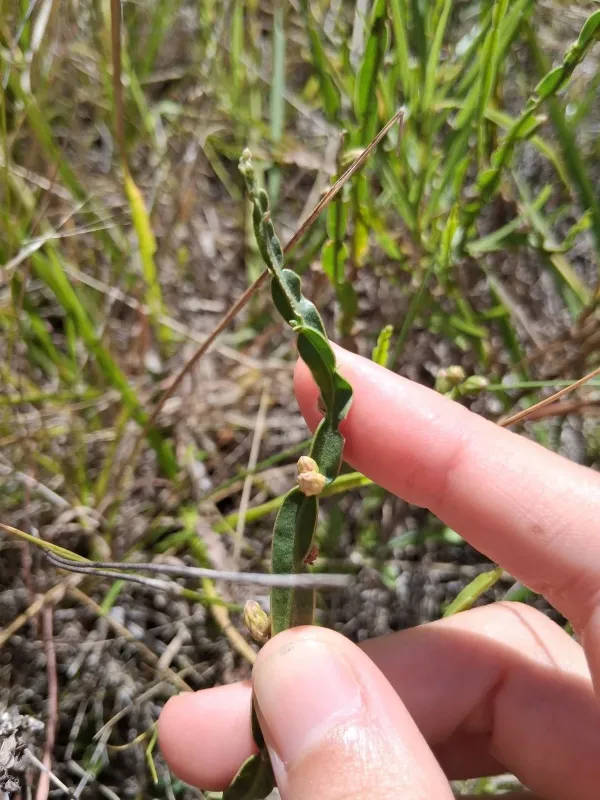
Description
Sowing dates
Baccharis genistelloides, often referred to in various regions as 'carqueja', is a perennial shrub belonging to the Asteraceae family. Propagation is primarily achieved through seeds sown in greenhouses to ensure controlled conditions during the initial stage of germination and seedling development.
Spring is the ideal season for sowing, provided that soil temperatures remain consistently above 15 degrees Celsius. The seeds are light-sensitive, so they should be covered with only a very thin layer of substrate or pressed gently into the soil surface to facilitate optimal germination rates.
For more uniform crops, vegetative propagation using cuttings is also a common practice. Cuttings taken from healthy, mature mother plants are rooted in a moist, well-draining medium and are usually ready for transplantation to the field within 10 to 12 weeks.
Once the seedlings or rooted cuttings are established, they are transplanted into fields with a spacing of approximately 50 to 60 centimeters. This layout is crucial to ensure that each plant has enough room for its characteristic wing-like branches to develop fully without overcrowding.
Proper field preparation involves deep tilling and the incorporation of organic matter to improve soil structure. Initial irrigation is necessary to help the plants establish their root systems in the new environment, ensuring survival and robust growth in the subsequent months.
Growing requirements
This crop thrives in sunny, well-ventilated areas, as it requires abundant light to synthesize its valuable secondary metabolites. Sites should be selected to avoid shading from trees or structures, which can negatively impact the quality of the harvested aerial parts.
The soil should be light and porous, such as sandy loam, to prevent waterlogging. Baccharis genistelloides is sensitive to excessive moisture at the root zone, making efficient drainage an essential prerequisite for successful commercial cultivation of the plant.
The species is well-adapted to high-altitude temperate climates and can withstand cooler temperatures. However, extreme frost and prolonged drought are stress factors that should be mitigated through proper management, such as mulch application to protect the root crown during cold spells.
Regular but moderate watering is recommended throughout the growing season. Drip irrigation is the preferred method, as it delivers water directly to the root zone while keeping the foliage dry, which significantly reduces the risk of fungal infections associated with high humidity.
Balanced fertilization with organic-based inputs is beneficial for maintaining the vigor of the plants. Soil analysis should be performed annually to ensure that phosphorus and potassium levels are sufficient to support the structural development and chemical potency of the shrub.
Yield
The yield of Baccharis genistelloides depends largely on the age of the plantation and the adoption of consistent pruning practices. In a well-managed field, the plants reach their maximum biomass production during the second and third years of life.
Harvesting involves cutting the stems, which are the main source of the active pharmaceutical compounds. A productive stand can yield several tons of dry mass per hectare, depending on the plant density and the nutritional status of the soil throughout the growing season.
Timing the harvest is critical; the highest concentration of bioactive compounds, such as flavonoids and terpenes, is typically found in the stems just as the plant begins to bud. Agronomists monitor these developmental stages closely to maximize the economic value of each harvest.
Post-harvest handling must be efficient to preserve the plant's integrity. Freshly cut stems should be moved promptly to drying facilities to prevent excessive heat buildup or degradation caused by exposure to direct sunlight for extended periods.
With correct maintenance, including annual rejuvenation pruning, a single plantation can remain economically viable for up to five years. This longevity makes the crop an attractive option for farmers looking for sustainable herbal production cycles.
Main diseases and pests
Fungal pathogens, particularly those causing leaf spots or root rots, represent the most significant threat to Baccharis crops. Preventive measures, such as adequate spacing and regular weed control, are essential to maintain air circulation and reduce the risk of disease outbreaks.
Sucking insects like aphids and spider mites can colonize the shrub, sapping plant vitality and reducing yield quality. Integrated pest management strategies, emphasizing the use of biological control agents, are recommended to maintain the medicinal quality of the harvested stems.
Soil-borne pests may pose a threat during the early development stage, making it vital to perform a pre-planting survey of the field. Proper crop rotation practices can help break the lifecycle of persistent soil pests and improve the health of the entire field.
Weed competition during the first year is a major obstacle to uniform growth. Manual or mechanical weeding between rows is necessary to ensure that the young shrubs are not outcompeted for sunlight, water, or nutrients during their most sensitive development phase.
Strict hygiene protocols should be followed during all field operations to prevent the accidental introduction of pathogens. Cleaning tools and equipment between different sections of the field helps to contain potential issues and ensures the longevity of the crop.
Harvesting
The harvest process is traditionally performed using sharp mechanical blades or sickles to ensure a clean cut. Cutting the stem cleanly is vital for the health of the root system, as it allows the plant to recover and produce new growth in the next season.
Once the biomass is collected, it is transported to a processing area for immediate sorting and cleaning. Any damaged or diseased plant parts are removed at this stage to ensure that only high-quality material enters the drying process.
Drying is performed in climate-controlled environments or well-ventilated sheds. Keeping the temperature below 45 degrees Celsius is important to prevent the loss of volatile compounds, which are often the key active ingredients in the herb's medicinal profile.
After reaching the desired moisture content of about 10–12%, the dried stems are milled or baled depending on the end-user requirements. Proper packaging in breathable containers ensures that the product remains stable during transport and subsequent shelf life.
Each batch of the harvest is subjected to laboratory analysis to verify the content of key markers. This quality control phase is essential to meet pharmaceutical standards and ensures that the final consumer receives a safe and potent natural product.