
Atractylodes lancea
Atractylodes lancea (Thunb.) DC.
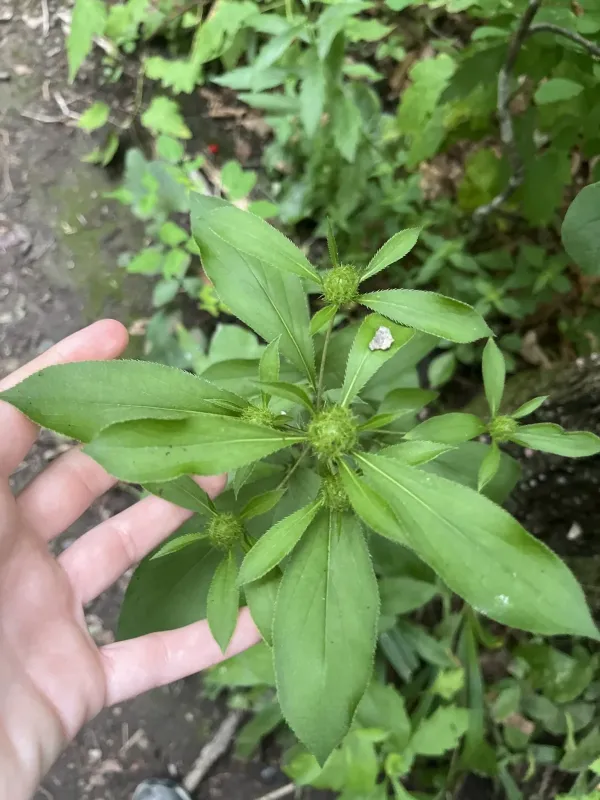
Description
Sowing dates
Sowing of Atractylodes lancea seeds is typically carried out in the spring once the soil temperature reaches 15–18°C. Mid-April is considered the optimal time, allowing seedlings to strengthen before the onset of intense summer heat.
An alternative propagation method involves the vegetative division of rhizomes, which is performed in autumn or early spring. This approach preserves the genetic traits of the parent plant and accelerates the production of marketable goods.
For seed propagation, pre-sowing stratification is essential to significantly improve germination rates and uniformity. Seeds should be sown at a depth of 1–2 cm, followed by a light mulch covering the soil surface.
Row spacing should be at least 40–50 cm, as the plant develops a voluminous rosette of leaves. Within rows, spacing should be 20–30 cm apart to ensure each plant receives adequate nutrients and growing space.
Maintaining moderate soil moisture during the germination period is critical. Atractylodes seedlings are sensitive to weed competition, making regular weeding during the early stages of growth mandatory.
Growing requirements
Atractylodes lancea belongs to the Asteraceae family and is a perennial herbaceous plant native to the mountainous forests and slopes of East Asia. The plant prefers a moderately humid climate with distinct seasonal variations.
Successful cultivation requires well-drained, fertile loamy soils with a neutral or slightly acidic pH. The crop does not tolerate waterlogging, which can easily trigger root rot and other fungal pathogens.
While the plant is photophilic, young plants in southern regions may require partial shading during the hottest hours of the day. Optimal light exposure promotes the accumulation of bioactive compounds within the rhizomes.
The application of organic fertilizers, such as well-rotted compost, positively impacts yields and the overall quality of the raw material. Mineral supplements rich in phosphorus and potassium are applied during the active growth phase to strengthen the root system.
This crop exhibits moderate frost resistance; therefore, in temperate climates, winter protection or mulching of the root zone is recommended to prevent the rhizomes from freezing during snowless winters.
Yield
The primary commercial product of Atractylodes is its fleshy rhizome, which accumulates essential oils and sesquiterpenoids. The average vegetation period until the roots reach technical maturity is between 2 to 3 years.
Crop yields are directly dependent on soil fertility and the quality of field management. Under intensive cultivation practices, the yield of dry raw material can reach several tons per hectare after completing the full growing cycle.
Regular inter-row cultivation is used to increase marketable output by ensuring oxygen reaches the roots. Controlling planting density is also crucial to avoid excessive overcrowding, which can reduce the mass of individual rhizomes.
The quality of the harvest is assessed based on the content of atractylone and other active components. Properly dried rhizomes should feature a dense structure and a specific aroma, both of which are critical indicators for the pharmaceutical market.
Maximum productivity is achieved by following strict crop rotation protocols, returning the crop to the same plot no sooner than after 4–5 years. This prevents the accumulation of specific soil-borne pathogens.
Main diseases and pests
The greatest threat to Atractylodes comes from fungal diseases that thrive in overly moist soil conditions. Root rot is the most prevalent issue, leading to rapid plant decline if not addressed.
The foliage can be susceptible to powdery mildew, especially during periods of high humidity and poor air circulation. Preventive treatments with biological fungicides help minimize these risks effectively.
Among pests, nematodes are the most frequent challenge as they attack the root system. Using healthy, certified planting material is the primary method for controlling this dangerous soil pest.
Aphids and spider mites may infest the aerial parts of the plant during dry spells. Regular monitoring of the fields allows for early detection and the application of necessary protection measures before large-scale damage occurs.
To reduce disease pressure, it is recommended to maintain an optimal irrigation schedule and promptly remove plant debris in autumn. This significantly improves the phytosanitary environment of the plantation.
Harvesting
Harvesting is performed at the end of the vegetation period when the aerial parts of the plant begin to yellow and die back. This stage coincides with the maximum concentration of therapeutic substances in the rhizomes.
The harvesting process can be mechanized or done manually using pitchforks. It is important to extract the rhizomes from the soil as carefully as possible to avoid mechanical damage, which degrades the quality of the raw material during storage.
After excavation, the rhizomes are thoroughly cleaned of soil residues and washed with running water. Fine rootlets and damaged sections are removed to ensure the cleanliness of the final product.
Drying is carried out in specialized drying facilities at temperatures not exceeding 45–50°C. These temperatures preserve the valuable essential oils that determine the medicinal properties of the harvest.
Once dried, the product is sorted by size, packaged in well-ventilated containers, and stored in dry, cool conditions. Properly processed raw material maintains its medicinal activity for several years.