
Atractylodes macrocephala
Atractylodes macrocephala Koidz
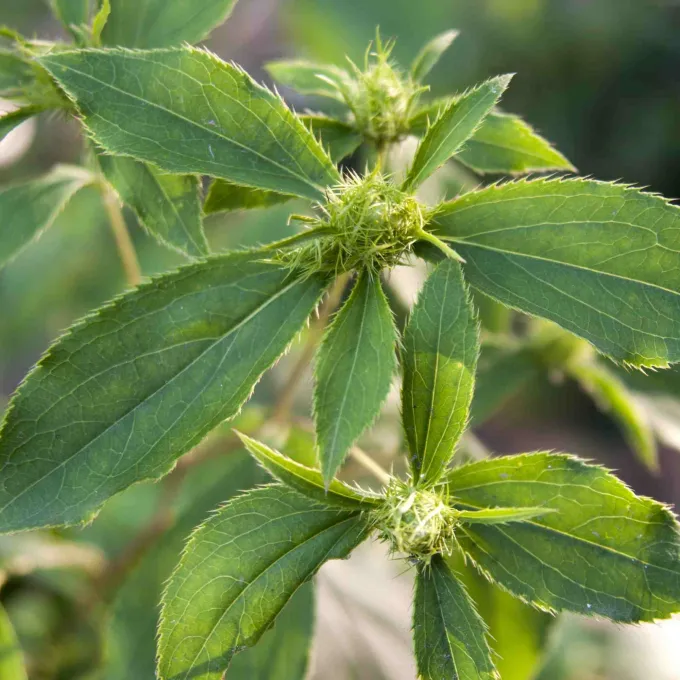
Description
Sowing dates
Sowing of Atractylodes macrocephala is typically performed in early spring once soil temperatures reach 10-12 degrees Celsius. In temperate climates, the second half of April is considered the ideal window for direct field seeding.
Some growers prefer late autumn sowing, which utilizes natural stratification to improve spring germination rates. In this case, seeds should be sown just before the ground freezes to prevent premature sprouting.
Seedlings can also be started in trays or greenhouses to ensure a more uniform plant population. This approach provides a competitive advantage during the initial stages of growth, protecting young plants from weed pressure.
Seeds are sown at a shallow depth of approximately 1-1.5 centimeters. Maintaining consistent soil moisture during the germination phase is critical, as the small seeds are highly sensitive to surface desiccation.
Standard field row spacing ranges from 30 to 40 centimeters. This distance is essential to facilitate mechanical weeding and ensure that each plant has sufficient root space for optimal development.
Growing requirements
Atractylodes macrocephala, a member of the Asteraceae family, is a perennial herb native to mountainous regions of East Asia. The crop thrives in environments with moderate humidity and requires significant light exposure to reach its full potential.
Soil quality is paramount; the plant demands loose, well-draining soil, such as sandy loam or light clay. Waterlogging is extremely detrimental to the plant's health, often leading to rapid decay of the underground rhizomes.
The ideal soil pH for this medicinal crop is slightly acidic to neutral, between 6.0 and 7.0. Soils should be rich in organic matter, which can be achieved through the incorporation of well-rotted compost before planting.
While the plant displays decent cold hardiness, it benefits from protective mulch in regions with harsh, snowless winters. This insulation prevents the soil from deep freezing, which could compromise the health of the perennial roots.
Consistent irrigation is vital throughout the active growing season. However, water application must be managed carefully to ensure the soil remains moist but never saturated, as the roots are prone to fungal infections.
Yield
The yield of Atractylodes macrocephala is typically harvested during the second or third year of growth. Harvesting earlier often results in lower concentrations of essential compounds and smaller rhizome mass.
Productivity is highly correlated with careful field management, including the removal of weeds and regular soil aeration. Yields per hectare can vary significantly based on the fertility of the soil and the intensity of cultural practices.
The primary economic focus is on the rhizomes, which are utilized in traditional pharmacology for their tonic properties. Proper handling and processing are essential to maintain the concentration of key active ingredients.
Following harvest, rhizomes must be cleaned of soil and debris immediately. Ensuring that the raw material is processed quickly reduces the likelihood of fermentation or unwanted microbial growth.
Successful large-scale production relies on balancing plant density with the nutritional requirements of the crop. Sustainable farming techniques help to maintain soil vitality for future cultivation cycles.
Main diseases and pests
The most significant threat to Atractylodes crops is root rot, particularly in poorly drained fields. Pathogenic fungi thrive in saturated conditions, making site selection and field drainage the top priorities for disease prevention.
Soil-dwelling insects, such as wireworms, can damage the rhizomes, creating entry points for secondary infections. Integrated pest management strategies, including pre-planting soil treatment, are recommended.
Powdery mildew may occur during periods of high humidity and moderate temperatures. Improved air circulation through proper plant spacing and thinning of foliage helps to minimize the incidence of these fungal outbreaks.
Weeds pose a major challenge, especially during the first year of establishment. Proactive weeding ensures that the crop receives sufficient sunlight and nutrients, preventing the stunting of the young plants.
Crop rotation is an essential practice to reduce pathogen buildup in the soil. It is highly advisable to avoid planting Atractylodes in the same area for at least four to five years to break the disease cycle.
Harvesting
Harvesting usually takes place in the autumn, as the foliage yellows and begins to die back. During this phase, the plant redirects its energy into the storage organs, ensuring high medicinal quality of the roots.
Mechanical harvesting equipment should be calibrated to reach the appropriate depth, minimizing bruising of the rhizomes. Damaged roots are susceptible to decay and have a much shorter shelf life.
Once removed from the soil, the rhizomes are washed and trimmed of fibrous roots and foliage. This initial cleaning stage is crucial for producing high-quality raw material that meets pharmaceutical standards.
Drying is performed at controlled temperatures between 45 and 50 degrees Celsius. Excessive heat can degrade the essential oils, so precise temperature monitoring is required throughout the drying process.
Properly dried rhizomes should be stored in cool, dark, and dry conditions. Using airtight packaging helps to prevent moisture absorption and maintains the therapeutic potency of the product for several years.