
Atractylodes
Atractylodes lancea (Thunb.) DC. x Atractylodes macrocephala Koidz.
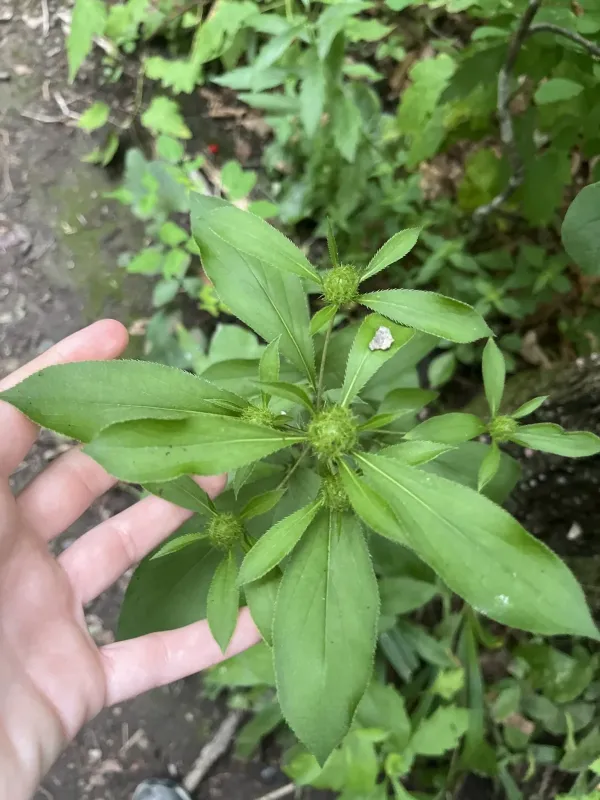
Description
Sowing dates
Sowing of Atractylodes is typically carried out in early spring when soil temperatures reach 10–12 degrees Celsius. Farmers use either direct seeding in the field or transplanting seedlings grown in greenhouses to ensure a stable start for the crop.
Pre-treatment of seeds, including stratification, is essential to improve germination rates and overall vigor. Seeds are planted at a depth of 1–2 centimeters, as shallow sowing helps prevent emergence delays caused by soil crusting.
In commercial operations, wide-row spacing of 30 to 45 centimeters is standard. This provides enough space for individual plants to develop robust root systems, which is the primary objective of Atractylodes production.
Once seedlings emerge, thinning is required to maintain a spacing of 15–20 centimeters between plants. This practice prevents overcrowding and ensures that each plant receives adequate light and nutrients from the soil.
As a member of the Asteraceae family, Atractylodes is a perennial herb that requires careful management in its first year. Weed control is particularly critical during the seedling stage to minimize competition and ensure establishment.
Growing requirements
Atractylodes thrives in well-lit areas, although partial shade can be beneficial during the initial growth phase. The crop requires well-drained, fertile soil, with sandy loam or loamy soils being the preferred choice for commercial farming.
Soil pH should ideally range between 6.0 and 7.0, as neutral conditions promote better nutrient absorption. Waterlogging must be strictly avoided, as excess moisture in the root zone leads to rapid decay of the medicinal rhizomes.
The plant is moderately cold-hardy but prefers stable temperatures between 18 and 25 degrees Celsius during the active growth period. Proper irrigation is necessary during dry spells to maintain consistent development of the roots.
Fertilization should be balanced, focusing on phosphorus and potassium to support root development. Organic amendments, such as well-rotted compost, are beneficial when incorporated into the soil during autumn preparations.
Originally native to East Asian regions, Atractylodes requires deep cultivation to allow its root system to expand fully. Proper site selection and soil structure are the foundational elements for achieving high-quality yields in this crop.
Yield
The yield of Atractylodes is highly dependent on the plant's maturity, as the accumulation of active pharmaceutical ingredients occurs over several years. Optimal harvest is typically expected in the second or third year of cultivation.
Under optimal agronomic conditions, growers can expect an average yield of dry root ranging from 1.5 to 2.5 metric tons per hectare. Yield variations often depend on plant density and the efficiency of the fertilization program.
Quality parameters, such as the concentration of volatile oils and lactones, are crucial for market value. Achieving a uniform, healthy root mass is the main goal for producers targeting the medicinal herb market.
Environmental stressors, such as excessive humidity or heat, can negatively impact the final harvest. Continuous monitoring of field conditions allows farmers to adjust practices and protect the developing crop.
Advances in breeding aim to produce varieties that offer both high biomass and superior chemical profiles. Investing in high-quality seeds or clones is essential for maximizing the economic return on investment.
Main diseases and pests
Root rot caused by fungal pathogens such as Fusarium and Rhizoctonia is the most significant threat to Atractylodes. These diseases thrive in poorly drained soils and pose a risk to the integrity of the rhizomes.
Leaf spot diseases can reduce photosynthetic efficiency, leading to weaker plants. Preventive fungicide applications, when managed correctly according to growth stages, help mitigate the impact of these common foliage problems.
Soil-dwelling pests like wireworms can cause direct damage to the roots, providing entry points for infections. Pre-plant soil treatments and strict crop rotation cycles are the most effective management strategies against these threats.
Aphid infestations may occur in hot, dry weather, which can stress the plant and reduce overall vigor. Biological control agents or selective biopesticides are preferred to maintain the crop’s medicinal purity.
Crop rotation is the cornerstone of disease prevention for Atractylodes. Avoiding fields where other Asteraceae species have been grown recently helps prevent the buildup of soil-borne pathogens and keeps the soil healthy.
Harvesting
Harvesting takes place in late autumn after the aerial parts of the plant begin to yellow and die back. This is the optimal window when the concentration of medicinal compounds in the roots reaches its peak.
Mechanized harvesting with root-digging equipment is common for larger farms, though care must be taken to minimize mechanical damage to the rhizomes. Damaged roots are prone to rapid decay and loss of quality.
Once lifted, the roots must be washed thoroughly to remove soil and sorted to discard any damaged or diseased segments. Initial cleaning is vital to maintain the hygiene and quality standards required for herbal processing.
Drying is a critical stage performed in temperature-controlled rooms or solar dryers at temperatures not exceeding 50 degrees Celsius. Proper moisture reduction is essential to ensure long-term storage stability without loss of potency.
After drying, the roots are sorted by size and packed in moisture-proof containers for storage or sale. Proper post-harvest handling ensures that the medicinal properties are preserved for the end-user.