
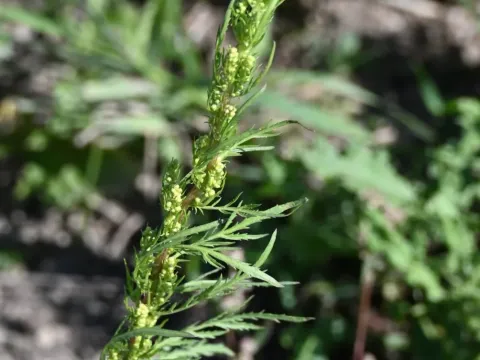
Biennial wormwood
Artemisia biennis
Biennial wormwood (Artemisia biennis) is a member of the Asteraceae family. As the name suggests, it is primarily a biennial plant, completing its life cycle over two growing seasons, although it can behave as an annual under certain conditions.
What the section contains
Biennial wormwood
Sowing should take place in early spring once the threat of heavy frost has passed. Seeds are small and require a fine, well-prepared seedbed to ensure proper soil-to-seed contact for germination.
The seeds require light for germination, meaning they should be sown shallowly or just pressed into the soil surface. Covering them with a thin layer of sand can help maintain humidity while allowing light penetration.
When sowing in rows, a spacing of 30-50 cm is typically recommended to allow for adequate airflow between plants, which is crucial for preventing fungal outbreaks later in the season.
After germination, thin the seedlings to ensure each plant has enough space to establish its root system, which allows it to withstand environmental stresses later in its life cycle.
This species thrives in full sun exposure. It requires at least 6-8 hours of direct sunlight daily to produce a dense plant habit and maintain a high concentration of phytochemical compounds.
The soil should be well-drained and neutral to slightly alkaline in pH. It is highly adaptable and can grow in poor, gravelly soils, but it does not tolerate waterlogging under any circumstances.
Biennial wormwood is notably drought-tolerant once established. It is an ideal candidate for low-input cropping systems in regions where irrigation is unavailable or restricted.
Standard agronomic practice includes light tillage between rows to control weeds during the early vegetative stage. Once the plants form a canopy, they usually outcompete most common weeds.
Nitrogen fertilization should be managed carefully. Excessive nitrogen promotes succulent growth that is more prone to lodging and pest attacks, reducing the quality of the harvested biomass.
Powdery mildew is the most common fungal disease associated with Artemisia biennis, especially in humid or stagnant air conditions. Improving plant spacing is the primary preventive measure.
Root rot caused by Fusarium or Phytophthora species may occur in waterlogged areas. Proper field drainage and avoiding over-irrigation are essential management steps.
Aphids are the most frequent insect pests. They feed on the succulent tips of the stems, causing stunted growth and potentially transmitting plant viruses if left unchecked.
Beetles and caterpillars may occasionally feed on the foliage. Monitoring should be routine throughout the growth season, especially before the plant reaches the flowering stage.
Integrated pest management (IPM) strategies, including encouraging natural predators like ladybugs, can significantly reduce the need for synthetic chemical treatments.