
Argyranthemum carinatum
Argyranthemum sp. Webb ex Schultz Bip. x Glebionis carinata (Schousb.) Tzvelev
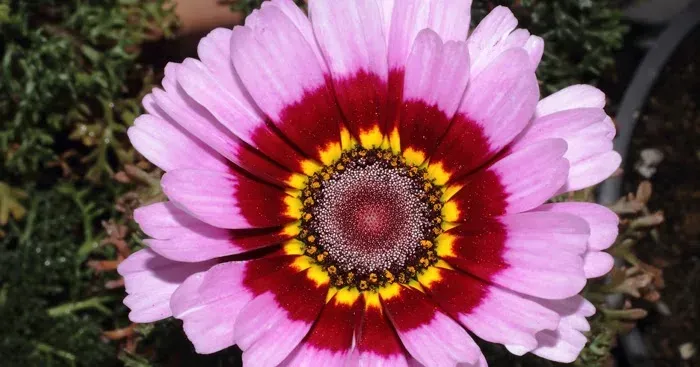
Description
Sowing dates
Argyranthemum carinatum, a hybrid member of the Asteraceae family, is typically grown from seeds started indoors. Sowing should commence in late winter, approximately 8 to 10 weeks before the anticipated final frost date for the region.
Seeds require light for germination and should be sown on the surface of a fine, moist potting medium. Keeping the substrate temperature steady at around 20 degrees Celsius is vital for achieving high germination rates within 10 to 14 days.
Once seedlings have developed two sets of true leaves, they should be carefully pricked out into individual pots. This practice promotes strong root development and prevents competition between plants in the nursery stage.
Hardening off is a mandatory process before transplanting to the field. Gradual exposure to outdoor temperatures over a period of two weeks helps the plant acclimatize to ultraviolet radiation and ambient wind conditions.
Planting in the final location is ideally performed when the soil has warmed up significantly. Proper spacing of 30 to 45 centimeters ensures adequate airflow, which is the primary factor in preventing disease outbreaks later in the season.
Growing requirements
This species thrives in full sun exposure, requiring at least six to eight hours of direct light daily to maintain its vigorous growth and abundant flowering characteristics. Insufficient light leads to etiolation and weak stem structure.
Soil requirements include excellent drainage and a neutral to slightly acidic pH. While the plant can adapt to various soil types, adding compost or aged organic matter enhances nutrient availability and moisture retention while maintaining porosity.
Water management is crucial; the plant prefers consistent moisture but is highly intolerant of waterlogged conditions. Drip irrigation or careful manual watering at the base of the plant is recommended to keep foliage dry.
Fertilization with a balanced, slow-release fertilizer during planting, followed by liquid supplementation every fortnight, ensures continuous energy for flower production. High-phosphorus formulations are beneficial for promoting extended bloom cycles.
Temperature tolerance is limited, as the plant prefers cool, Mediterranean-like climates. In extremely hot summers, some partial shade during the afternoon hours may be necessary to prevent heat stress and premature floral decline.
Main diseases and pests
Aphids represent a primary pest threat, particularly during the early growth phase. These insects cluster on succulent new growth and flower buds, necessitating prompt treatment with insecticidal soaps or systemic pesticides.
Thrips are another significant issue, especially in warm, dry weather conditions. They feed on petals and leaves, causing aesthetic damage; monitoring with blue or yellow sticky traps is a standard integrated pest management approach.
Grey mold (Botrytis cinerea) often occurs when humidity levels remain high around the plant base. Ensuring sufficient spacing and removing dead foliage are effective cultural practices to reduce the incidence of this fungal infection.
Root rot is common when planting in heavy, poorly drained soils. Symptoms include wilting despite moist soil, which indicates compromised roots; prevention involves adding sand or perlite to improve soil texture.
Powdery mildew may develop during periods of fluctuating humidity. Prophylactic applications of fungicides containing sulfur or potassium bicarbonate can effectively suppress the development of fungal spores on the leaves.