
Marguerite daisy
Argyranthemum frutescens x Glebionis carinata
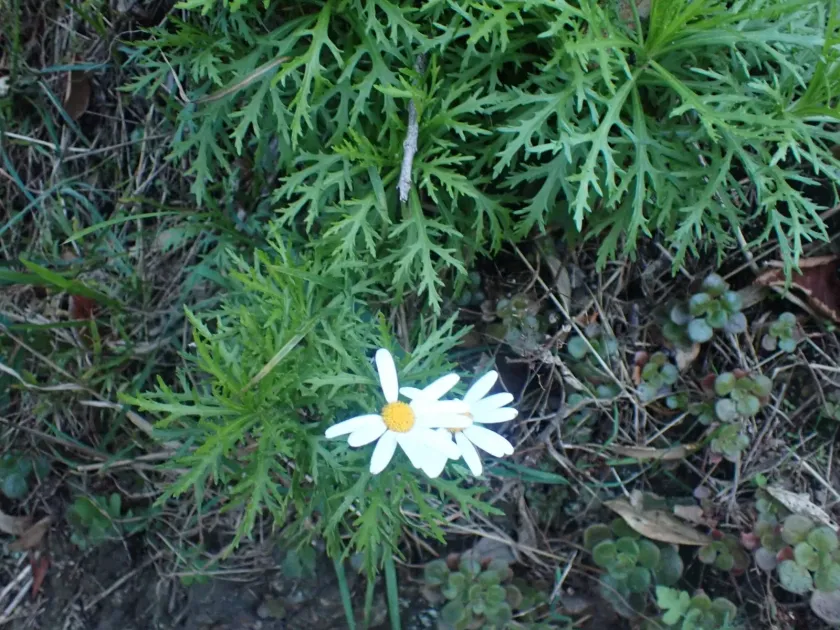
Description
Sowing dates
The Marguerite daisy (Argyranthemum frutescens) is a perennial subshrub belonging to the Asteraceae family. Propagation is typically achieved through seeds or stem cuttings, with the latter being preferred for clonal consistency.
Seeds are sown in greenhouses or seed trays in late winter or early spring, approximately 8 to 10 weeks before the final expected frost. A temperature of +18...+20°C is required for optimal germination.
Transplanting into the open field occurs only after the danger of frost has completely passed. Plants should be hardened off to ensure acclimatization to external environmental conditions.
To produce a bushy growth habit, young plants require frequent pinching of the apical tips. This technique encourages lateral branching and results in a higher density of flowering stems.
When propagating via cuttings, stems are rooted in a sterile, well-draining media. Providing high humidity and indirect light accelerates the root development process over a 3 to 4-week period.
Growing requirements
This crop requires full sun exposure to thrive. Insufficient lighting levels lead to leggy, weak stems and significantly reduced flower production, impacting the overall quality of the yield.
Well-draining, moderately fertile soil is essential. Argyranthemum is highly susceptible to root rot caused by waterlogged conditions, making soil structure a priority for successful cultivation.
Regular watering is necessary during the active growth phase, but the growing medium should be allowed to dry slightly between waterings to maintain healthy oxygen exchange in the root zone.
Consistent fertilization with a balanced, water-soluble fertilizer is crucial throughout the blooming season. Formulas high in potassium and phosphorus are recommended for sustained flower production.
The plant prefers temperate climates and is often grown as an annual in colder regions. In areas with harsh winters, it is commonly kept in containers and moved indoors to survive the frost.
Yield
The yield of Marguerite daisy is measured in the volume of marketable flowers harvested. Proper management allows for continuous flower production throughout the entire growing season.
Optimizing plant spacing is critical to maintaining high productivity. Adequate air circulation between plants significantly reduces the incidence of fungal pathogens that can destroy the crop.
Deadheading—the removal of faded flower heads—is the most effective way to maximize yield. By preventing seed set, the plant redirects its energy into producing new buds.
Using high-quality, professional peat-based substrates with added aeration components like perlite ensures vigorous growth and consistent flower quality throughout the season.
Economic efficiency depends on controlling the environment, particularly temperature and light, to extend the blooming window and ensure the harvest meets market standards for size and color.
Main diseases and pests
Fungal diseases such as powdery mildew and gray mold pose the greatest threat to Argyranthemum crops, especially in high-humidity conditions where airflow is restricted.
Aphids and spider mites are the most common pests. They feed on plant sap, leading to stunted growth, leaf deformation, and a decline in the aesthetic value of the harvested flowers.
Thrips and whiteflies can also infest the crop in greenhouse environments. Early detection using sticky yellow traps is a standard practice for integrated pest management.
Control strategies involve the use of appropriate insecticides and ensuring that cultural practices, such as proper sanitation and debris removal, are strictly followed to prevent outbreaks.
- Maintain proper ventilation in greenhouses
- Regular monitoring of the underside of leaves
- Apply fungicides preventatively during wet periods
- Ensure proper sterilization of tools
- Utilize integrated pest management strategies