
Archibaccharis serratifolia
Archibaccharis serratifolia
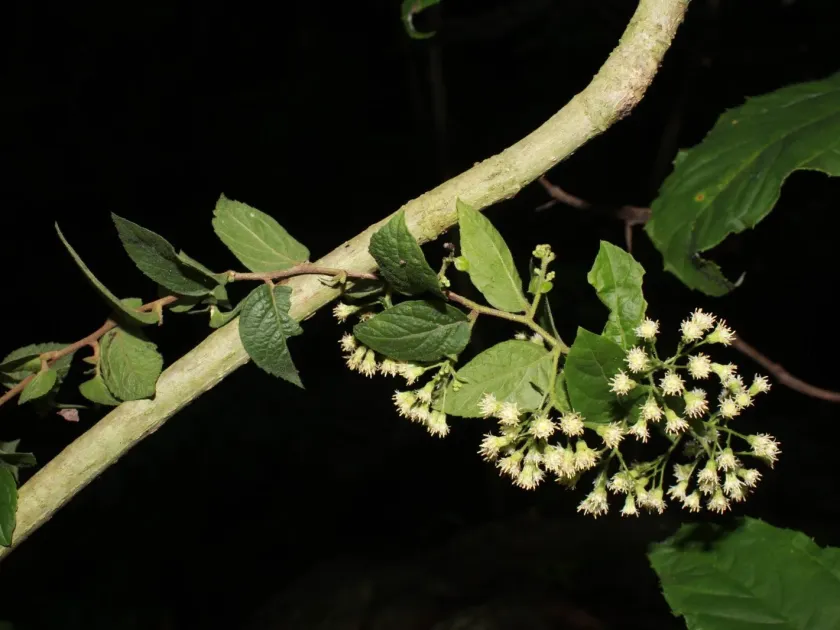
Description
Sowing dates
Archibaccharis serratifolia, as a specialized agricultural or ornamental crop, requires strict adherence to planting schedules, given its tropical origin. In temperate climates, sowing seeds in greenhouses or protected environments should begin in late February or early March to ensure quality seedlings.
Transplanting the grown plants into open ground is carried out only after the period of night frosts has passed, once the soil has warmed to at least 15 degrees Celsius. Direct sowing in open fields is only feasible in regions with long growing seasons and mild climates where temperature fluctuations are minimal.
The optimal planting pattern requires sufficient spacing between rows to ensure proper air circulation and light penetration. This is crucial for preventing the development of fungal diseases during the early stages of plant growth.
The seeds of this crop have moderate germination rates, so pre-sowing treatment with growth stimulants can significantly increase the germination percentage. Sowing is typically performed superficially or with minimal soil coverage, as the small seeds require light access to initiate the germination process.
In industrial cultivation, the crop requires conditions that mimic its natural habitats in Central America. Constant monitoring of substrate moisture in the first weeks after emergence is the key to successfully establishing the root system.
Growing requirements
The plant belongs to the Asteraceae family and naturally grows in the mountain forests of Central America. It prefers well-drained, fertile soils with a neutral or slightly acidic pH, rich in organic matter.
Archibaccharis serratifolia is demanding regarding lighting: for full development of the aerial part, it needs bright, diffused light. In conditions of insufficient illumination, the stems stretch, and the intensity of flowering is significantly reduced.
The crop is thermophilic; the optimal temperature range for active growth is between 18 and 25 degrees Celsius. Sudden temperature drops and cold drafts can lead to leaf drop and stunted growth, so planting sites should be protected from prevailing winds.
Watering needs are moderate, although the plant requires regular soil moisture during the hot summer months. Waterlogging in the root zone is unacceptable, as it provokes the development of root rots, to which this species shows a certain sensitivity.
To increase productivity and enhance decorative qualities during the growing season, regular fertilization with complex mineral fertilizers is recommended. The use of nitrogen-rich mixes in the early stage stimulates vegetative mass growth, while phosphorus-potassium compounds are essential before bud formation.
Main diseases and pests
The main threats to Archibaccharis are microscopic pests such as spider mites and thrips, which multiply actively in the dry and hot microclimate of greenhouses. Regular inspection of the underside of leaves allows for the timely identification of infestation centers.
Among fungal pathogens, the most dangerous for this species are the causative agents of powdery mildew and various types of root rot. These diseases often occur when ventilation regimes are violated and watering is excessive, creating a favorable environment for fungal spores.
In case of leaf spotting, it is necessary to immediately prune damaged areas and apply systemic fungicides. Preventive spraying with biological preparations based on Bacillus subtilis helps reduce the risk of epiphytotics.
Pests such as aphids can damage young shoots by sucking sap and acting as vectors for viral diseases. To combat them, contact and systemic insecticides are used, alongside environmentally friendly methods like using biological control agents.
To maintain the health of plantations, agronomists recommend strictly following crop rotation and avoiding dense planting. A healthy microclimate and timely weed removal are the best defenses against the spread of infections within the field.