
Anvillea platycarpa
Anvillea platycarpa
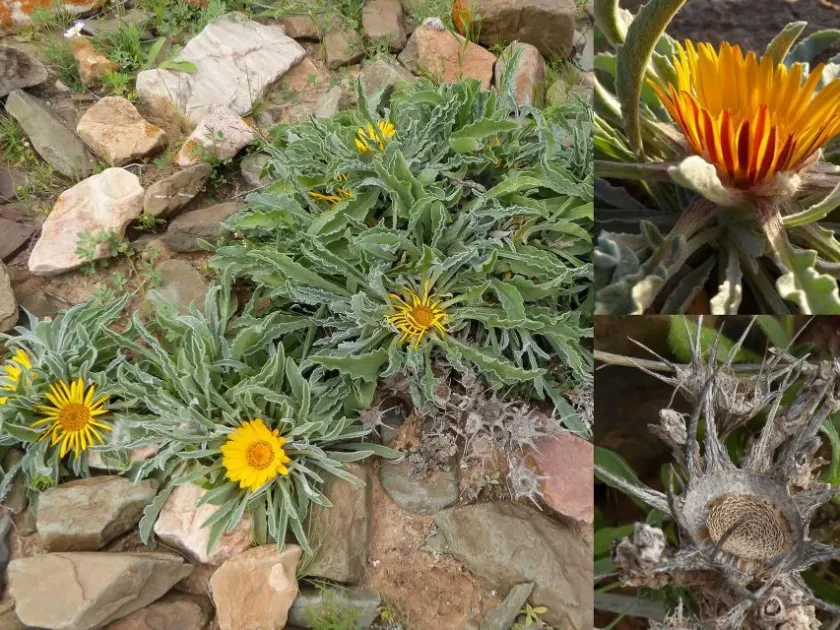
Description
Growing requirements
Anvillea platycarpa is a perennial herbaceous plant belonging to the Asteraceae family. It is indigenous to the arid environments of North Africa and the Middle East, demonstrating extreme resilience to drought and heat.
As a specialized xerophyte, the plant features a deep taproot system and pubescence on its leaves, which are critical adaptations for reducing transpiration rates. These traits allow the species to thrive in regions where annual rainfall is minimal.
Soil requirements for successful cultivation include excellent drainage and a preference for sandy, rocky, or gravelly substrates. High alkaline soils are generally well-tolerated, provided there is no long-term water stagnation in the root zone.
The plant demands full sunlight exposure throughout its life cycle to maintain physiological health. It is highly sensitive to humidity levels; therefore, managing the moisture content in both the soil and the air is vital for successful crop development.
Economically, Anvillea platycarpa is valued for its phytochemical profile, particularly its sesquiterpene lactones. These compounds are studied for their potential use in anti-inflammatory drugs, driving interest in controlled field cultivation.
Main diseases and pests
The primary threats to Anvillea platycarpa crops are fungal pathogens, specifically those causing root rot, which typically manifest under conditions of waterlogging or improper soil aeration. Prevention is key, as treatment options are limited.
Locusts and various desert grasshoppers pose a significant risk to the foliage during peak growing seasons. Integrated pest management strategies that emphasize biological control are highly recommended for sustainable farm operations.
Seed-feeding insects often target the developing flowers and seed heads. To ensure high yields of viable seeds, timely harvesting and proper post-harvest processing, including controlled drying, are essential steps for seed health.
Weed interference can suppress growth during the seedling stage. Although adult plants are highly competitive for water, intensive weeding in the early phases is necessary to establish a robust and healthy crop stand.
Environmental stress, such as unseasonably high humidity, can lead to the occurrence of foliar diseases like powdery mildew. Maintaining proper planting density helps facilitate air circulation, which in turn reduces the risk of such infections.