
Anisocoma acaulis
Anisocoma acaulis
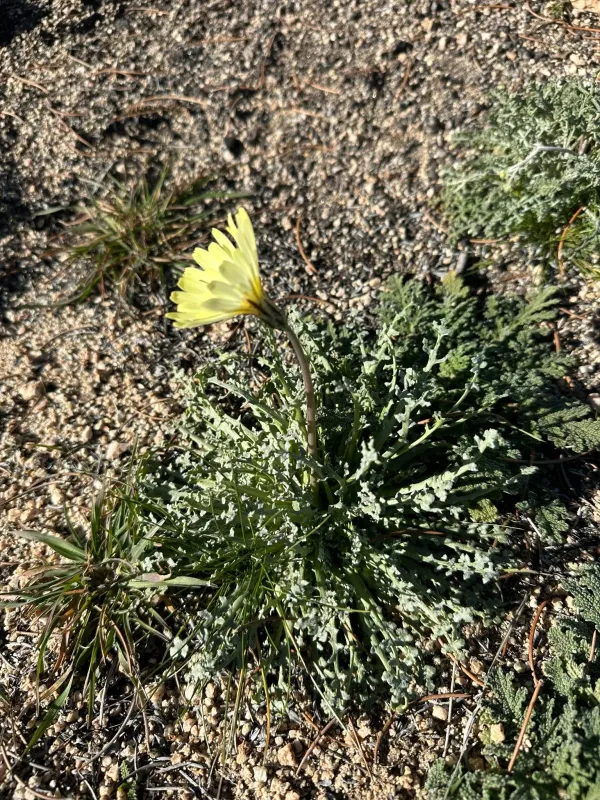
Description
Growing requirements
Anisocoma acaulis is a monotypic genus of annual plants within the Asteraceae family. Known commonly as the Scalebud, it is native to the arid landscapes of the southwestern United States.
The plant is specifically adapted to the desert regions of California, thriving in sandy or gravelly soils. Its distribution is closely linked to specific microclimates that provide ephemeral spring moisture.
Morphologically, the plant features a basal rosette of leaves that lie flat against the ground. This growth habit serves as a vital survival mechanism, protecting the plant from the intense desert heat and drying winds.
The flowering period is brief, occurring in the spring when moisture levels are sufficient. The yellow flowers emerge from single heads, standing on naked peduncles that rise from the center of the leaf rosette.
Cultivation requires conditions that mimic its natural habitat. This includes excellent drainage, high solar exposure, and minimal water input after the seedling stage has established.
Main diseases and pests
The primary threats to Anisocoma acaulis populations are habitat loss and the encroachment of invasive, non-native grasses. These invaders compete aggressively for limited soil moisture and nutrients.
Fungal pathogens may affect the root system if drainage is inadequate. Overwatering is the most significant management error that leads to rapid plant decay and subsequent loss of yield.
Insects like aphids can occasionally infest the plant during the rapid growth phase. While generally not fatal, these pests can significantly reduce the vitality of the seed-producing structures.
Climate instability, particularly the lack of consistent winter rainfall, can inhibit germination. The plant relies on a specific sequence of environmental triggers to complete its lifecycle effectively.
Due to its status as a specialized desert species, standard agricultural pest control protocols are rarely applied. Conservation through habitat preservation remains the best strategy for the species.