
Blue squill
Chamaescilla corymbosa
Description
Growing requirements
Blue squill (Chamaescilla corymbosa) is a perennial herbaceous plant belonging to the Asphodelaceae family. This species is native to Australia, where it thrives in various habitats, particularly in open woodlands and heathlands.
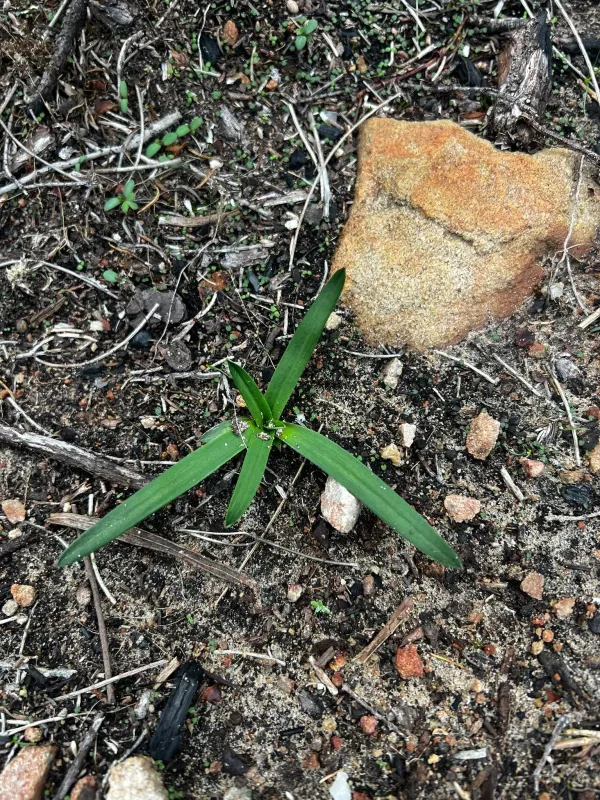
Botanically, it is characterized by a basal rosette of narrow, grass-like leaves and vibrant blue, star-shaped flowers arranged in a loose corymb. The plant stores energy in tuberous roots, allowing it to survive periods of intense heat and seasonal drought in its natural range.
Cultivation requires well-draining soil, preferably sandy or gravelly, to mimic its native environment. Proper drainage is the most critical factor, as stagnant water can be lethal to the root system, leading to decay during the dormant season.
Exposure to full sunlight is essential for healthy development and profuse flowering. While it enjoys a temperate climate, the plant requires a distinct rest period in summer, during which the soil should be kept relatively dry to prevent premature sprouting or rot.
The plant is primarily utilized in ornamental horticulture, valued by plant enthusiasts for its distinct blue coloration and compact form. It is best suited for rock gardens, specialized containers, or as a feature plant in biodiversity-focused landscape designs.
Main diseases and pests
The primary threats to Chamaescilla corymbosa are fungal root pathogens induced by improper moisture levels. Overwatering, especially during the cool, wet winter months or the dormant summer phase, poses a significant risk of root rot.
Pests are generally limited, but aphids can occasionally infest the flower stalks during the rapid growth phase of spring. In some cases, soil-dwelling insects or nematodes may impact root health if the substrate is not properly sterilized before planting.
Control measures rely heavily on preventative practices, such as ensuring a loose, aerobic growing medium and avoiding overcrowding. Proper ventilation in greenhouse settings helps to reduce the humidity levels that encourage fungal spread.
For chemical control, if necessary, targeted fungicides and systemic insecticides should be applied carefully. Always follow manufacturer instructions to avoid phytotoxicity, as delicate perennial roots can be sensitive to aggressive chemical interventions.
Monitoring the foliage for discoloration or stunting is key to identifying potential health issues early. By maintaining the natural cycle of active growth followed by a dry dormancy, the gardener can ensure the long-term vigor of the Blue squill.