
Bulbine frutescens
Bulbine frutescens (L.) Willd.
Description
Growing requirements
Bulbine frutescens, commonly known as cat's tail or burn jelly plant, is a perennial succulent belonging to the Xanthorrhoeaceae family. Originating from the arid regions of Southern Africa, this plant is well-adapted to survive in harsh environmental conditions with limited moisture availability.
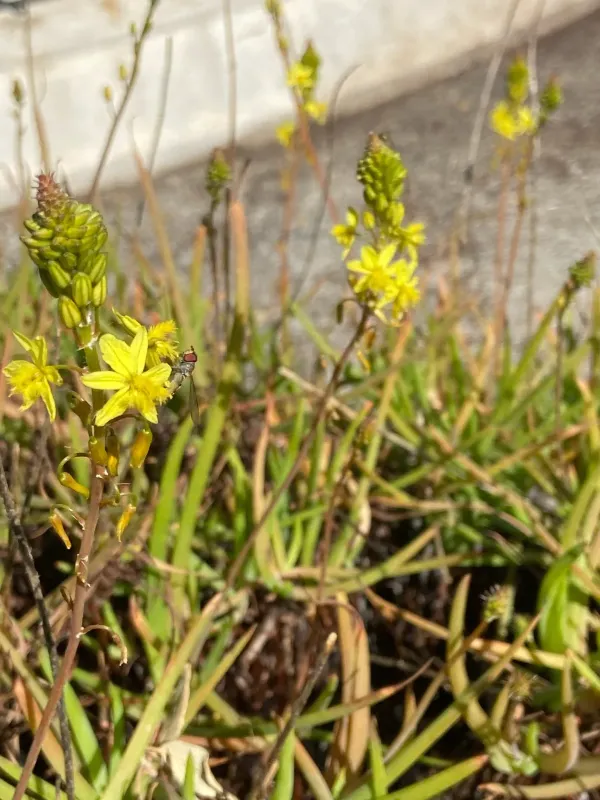
The plant features fleshy, succulent leaves arranged in rosettes and produces distinct racemes of bright yellow or orange star-shaped flowers. Its vegetative morphology allows for efficient water storage, making it a highly resilient species in xeriscaping and drought-prone agricultural environments.
Successful cultivation requires full sun exposure and well-drained, sandy, or rocky soil compositions. Soil fertility requirements are relatively low, but proper drainage is essential; waterlogged soil leads to rapid root decay, which is the primary cause of failure for new plantation sites.
The optimal climate for growth mimics Mediterranean conditions with warm, dry summers and mild winters. While the plant can survive light frost, prolonged freezing temperatures will damage the succulent tissue, requiring a period of recovery during the spring vegetative cycle.
Commercially, Bulbine frutescens is recognized for its medicinal applications, specifically in wound healing and skin treatment. Its gel is considered a sustainable alternative to Aloe vera, positioning the plant as a niche but valuable crop for the pharmaceutical and natural cosmetic industries.
Main diseases and pests
Root rot is the most significant pathological threat to the crop, triggered by poor irrigation practices or heavy, clay-rich soils. In damp conditions, water buildup in the leaf axils can also promote the growth of pathogenic fungi and bacteria.
Pest pressure from aphids and spider mites can become significant during peak flowering seasons. These insects target the sap of young buds and soft leaves, potentially stunting growth and reducing the harvestable quality of the medicinal extracts.
Effective management strategies include implementing drip irrigation systems to ensure soil moisture levels remain within optimal limits without saturating the foliage. Controlled environments should be equipped with adequate ventilation to prevent humidity spikes.
Mechanical control, such as manual removal of infested shoots, is effective for small-scale production. For larger agricultural areas, the application of neem oil or compatible biological insecticides is recommended to maintain the organic status of the final product.
Regular monitoring of the root health and soil structure is vital for long-term productivity. Implementing crop rotation or soil solarization techniques can help manage persistent soil-borne pathogens that might otherwise hinder the lifespan of the plantation.