
Thottea tomentosa
Thottea tomentosa
Description
Growing requirements
Thottea tomentosa is a notable species within the Aristolochiaceae family. It is a perennial, evergreen plant naturally found in the dense, moist understory of tropical forests across Southeast Asia, thriving in high-humidity environments.
To successfully cultivate this species, producers must replicate its native tropical microclimate. This includes maintaining consistently high temperatures and providing significant shade, as the plant is highly intolerant to direct, intense solar radiation.
Soil requirements focus on high organic matter content, excellent aeration, and consistent moisture levels. The substrate should be well-drained to prevent root suffocation, which is a common failure point in the cultivation of delicate tropical herbaceous species.
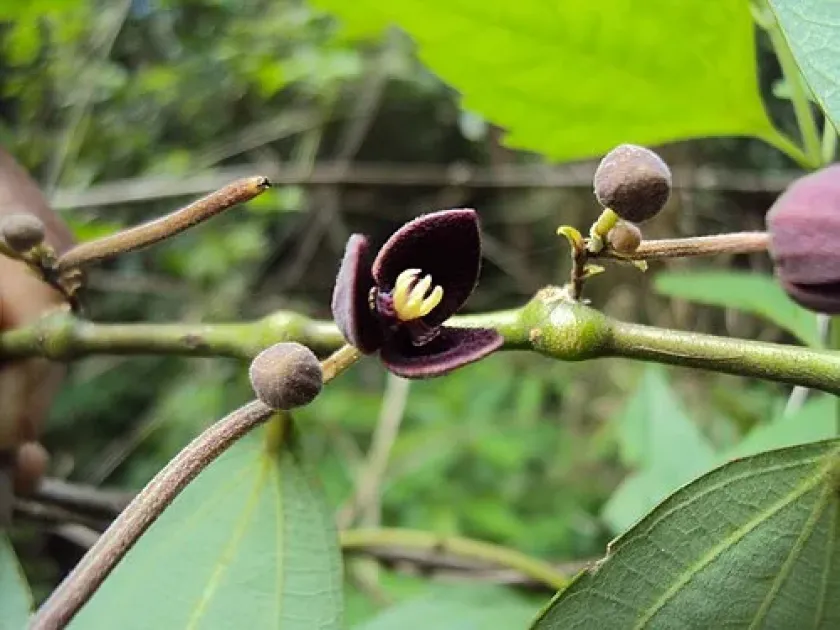
The botany of Thottea tomentosa is defined by its pubescent foliage, which gives the plant its specific epithet, and its unique flower structure, which has evolved for specific niche pollination patterns in forest environments.
In terms of economic usage, the plant is primarily researched for its potential as a medicinal crop. Its secondary metabolites are of interest to the pharmaceutical industry, making it a niche interest for botanic gardens and specialized agricultural nurseries focusing on herbal raw materials.
Main diseases and pests
The most significant threats to Thottea tomentosa are soil-borne pathogens, particularly fungi that thrive in the consistently damp conditions required by the plant.
Root rot, often caused by species such as Pythium or Phytophthora, can devastate crops if drainage systems fail or irrigation is poorly managed.
Insect pests, specifically those targeting the succulent foliage, such as spider mites, require constant monitoring to prevent widespread damage.
Preventative agronomy involves maintaining clean growing environments, ensuring good air circulation, and utilizing appropriate biological controls whenever possible.
Stress from environmental fluctuations, particularly sudden drops in humidity, significantly increases the plant's susceptibility to opportunistic infections and pest outbreaks.