
Thottea siliquosa
Thottea siliquosa
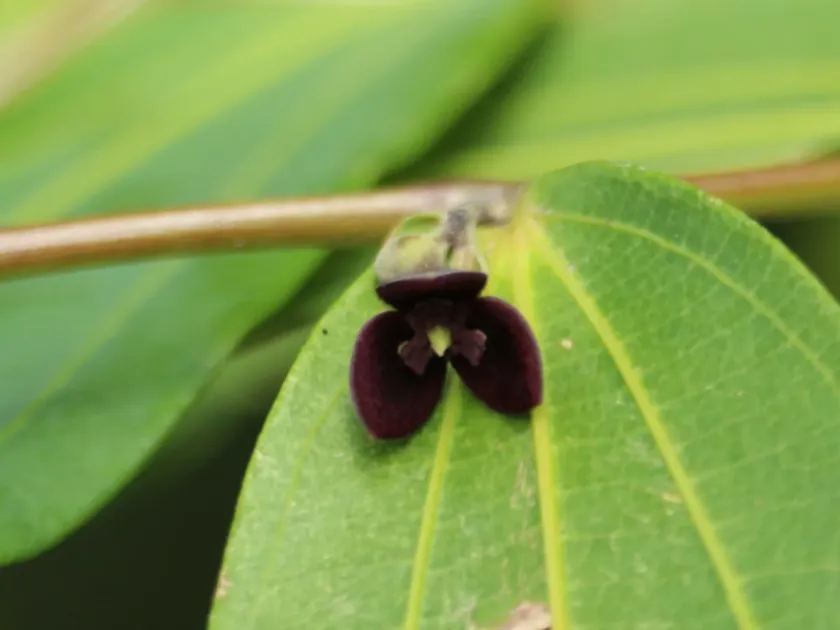
Description
Growing requirements
Thottea siliquosa is a perennial shrub belonging to the Aristolochiaceae family. It is natively found in the evergreen tropical forests of Southern India and Sri Lanka, where it grows as an understory species.
The plant requires a stable tropical climate characterized by high humidity and consistent temperatures. It thrives in shaded areas, as direct sunlight can easily damage the foliage and impede its development.
Successful cultivation depends on high-quality, well-drained soil rich in organic matter. Overwatering must be avoided, as the root system is highly susceptible to rot, making proper drainage design a priority in greenhouse settings.
The plant is distinguished by its unique, long, pod-like fruits from which the specific epithet siliquosa is derived. Its slow growth rate is a physiological adaptation to the low-light conditions of the forest floor.
In terms of economic importance, Thottea siliquosa is recognized for its phytochemical properties. Traditional medicinal systems utilize various parts of the plant for their potential anti-inflammatory, antimicrobial, and antioxidant activities.
Main diseases and pests
Root rot caused by fungal pathogens is the primary threat to the crop, particularly in poorly ventilated greenhouses. Managing soil moisture and substrate aeration is the most effective way to prevent these detrimental conditions.
Pests such as spider mites and scale insects are common problems in indoor cultivation. These pests thrive in dry environments and can quickly weaken the plant if not monitored regularly.
Caterpillars from specific butterfly species can cause significant foliar damage, reducing the plant's overall vigor. Integrated Pest Management (IPM) strategies, including manual removal, are highly recommended over harsh chemical sprays.
Environmental stress, including sudden drafts or temperatures dropping below the plant's tolerance range, triggers a survival response that halts growth. Protecting the plant from thermal fluctuations is vital for long-term health.
Sanitation practices, including the sterilization of potting benches and monitoring for early symptoms, form the cornerstone of disease prevention for this crop. Maintaining optimal health reduces the dependency on synthetic disease control methods.