
Devil's club
Oplopanax horridus
Description
Sowing dates
Devil's club propagates primarily through seeds or vegetative rhizome cuttings. Seeds require a long period of cold stratification to overcome innate dormancy, mimicking the natural forest floor environment.
Sowing should ideally occur in the autumn to expose seeds to winter temperatures. Success rates in controlled nursery conditions are often higher if the seeds are treated with gibberellic acid or kept in moist sand at low temperatures.
Vegetative propagation is more reliable for garden purposes. Digging up root suckers and transplanting them into well-prepared, moisture-retentive soil allows the plant to establish faster.
Spacing between plants should be at least 1–2 meters, as the shrub spreads via underground rhizomes. Crowding can lead to poor air circulation and increased risk of fungal infections.
Young transplants require consistent monitoring for moisture. Establishing a stable environment with moderate humidity is crucial for the survival of young shrubs during their first growing season.
Growing requirements
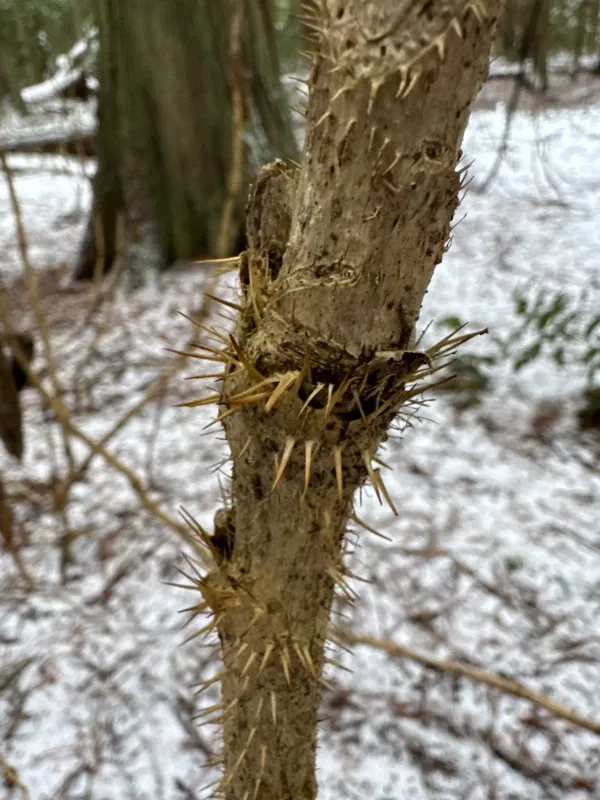
This shrub belongs to the Araliaceae family and is recognized by its large, palmate leaves and stems heavily armed with brittle, sharp spines. It typically grows in damp, shaded forest understories.
The plant thrives in soil that is rich in organic matter and acidic in nature. Proper drainage is essential, as the roots are sensitive to waterlogging despite the plant's love for moisture.
Climate requirements include a cool, temperate environment with high atmospheric humidity. It performs poorly in regions with hot, dry summers or intense direct sunlight, which can burn the foliage.
Mulching is a standard practice for maintaining soil moisture and temperature stability. Using leaf mold or pine bark helps recreate the natural habitat conditions that support healthy root development.
Winter hardiness is excellent, as the plant originates from the Pacific Northwest and is accustomed to deep snowpacks. The plant remains dormant during winter and resumes growth as soil temperatures rise in spring.
Main diseases and pests
The plant is relatively resistant to many common pests but can suffer from fungal issues in poorly ventilated or excessively stagnant environments. Leaf spots caused by fungi are a potential risk.
Root rot is the most serious threat, occurring if the soil is too heavy and water does not drain properly. This condition is often fatal and difficult to treat once established.
Slugs and snails may occasionally feed on young foliage, particularly during the early spring when new growth is tender. Physical barriers or organic pest controls are recommended for small plantings.
Mechanical damage to the stems from improper handling or heavy wind can create wounds, which serve as entry points for pathogens. Careful handling is necessary at all times.
While herbivores often avoid the plant due to its spines, some insects may target the leaves. Regular inspection of the undersides of the foliage helps identify infestations before they spread.
Harvesting
The harvest primarily involves the collection of bark or roots for their pharmacological properties. Harvesting is typically done in the late autumn when the plant is dormant.
Protective gear, including leather gloves and heavy-duty clothing, is mandatory. The spines contain natural irritants, and their mechanical contact with skin can cause painful, lingering inflammation.
Roots are washed and cut into manageable pieces to ensure even drying. Removing bark requires precision tools to avoid damaging the inner woody core of the plant.
Drying must occur in a dark, airy location to preserve volatile compounds. High heat should be avoided as it can degrade the chemical constituents that provide the plant its medicinal value.
Storage should be in cool, dry conditions away from direct light. Because this species is sensitive to over-harvesting, wild collection should be strictly controlled, and cultivation is encouraged.