
Oplopanax japonicus
Oplopanax japonicus
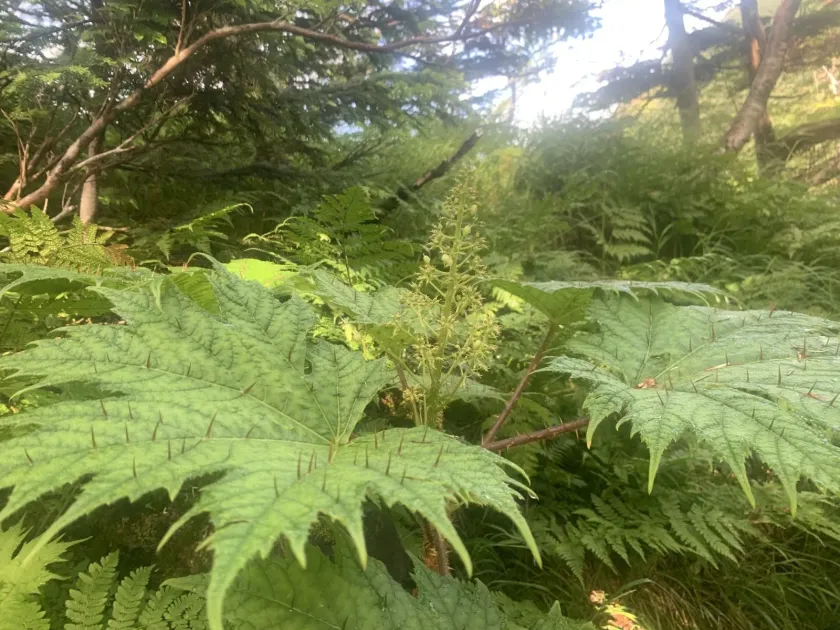
Description
Sowing dates
Oplopanax japonicus is a rare deciduous shrub belonging to the Araliaceae family, valued primarily for its medicinal properties. In agricultural practice, it is propagated either by seeds or through the division of root suckers.
Seed propagation is challenging due to deep physiological dormancy. The seeds require a stratified cooling period, often lasting over a year, to successfully germinate under controlled conditions.
Vegetative propagation is generally preferred for consistency. Using root cuttings or division of established clumps allows for faster establishment and provides more predictable growth patterns in field conditions.
Sowing or transplanting should be performed in early spring or autumn when soil moisture is optimal. Careful handling of the root system is essential to prevent shock and ensure rapid stabilization in the soil.
Adequate plant spacing is vital. Providing sufficient room for the plant to spread its rhizomes prevents overcrowding and reduces the competition for nutrients and water within the plantation.
Growing requirements
This species thrives in cool, shaded environments. Exposure to intense, direct sunlight is detrimental, as it causes leaf scorching and halts growth, so cultivation under a canopy or artificial shade is mandatory.
The ideal soil is rich in organic matter, well-draining, and slightly acidic. Compacted or heavy clay soils inhibit root development and must be amended with organic matter before planting.
Constant, moderate soil moisture is required throughout the growing season. The plant does not tolerate drought, nor does it thrive in waterlogged conditions that encourage fungal infections.
Regular fertilization with compost or well-rotted manure helps maintain the fertility levels required for the long-term health of the shrub. Over-fertilization with mineral salts should be avoided.
Mulching is a key agricultural practice for Oplopanax. A layer of organic mulch helps retain soil moisture, suppresses weeds, and protects the shallow root system from temperature fluctuations.
Main diseases and pests
The most significant threats to the crop include various fungal pathogens such as root rot and leaf spot. These are primarily managed through proper irrigation techniques and ensuring adequate air circulation.
Pests like spider mites and aphids can become a major concern, particularly during hot, dry spells. Monitoring plant health and using biocontrol agents are effective management strategies.
Root-knot nematodes pose a significant risk to the plant's health, often leading to stunted growth. Soil testing and rotation are recommended to prevent the buildup of soil-borne pathogens.
Gastropods such as slugs can severely damage young shoots and developing buds. Physical barriers or traps are recommended as an eco-friendly way to protect the crop without chemical usage.
Integrated pest management (IPM) should be the priority, focusing on preventative measures like sanitation, removing infected plant debris, and maintaining optimal growth conditions to boost natural immunity.