
Oplopanax elatus
Oplopanax elatus
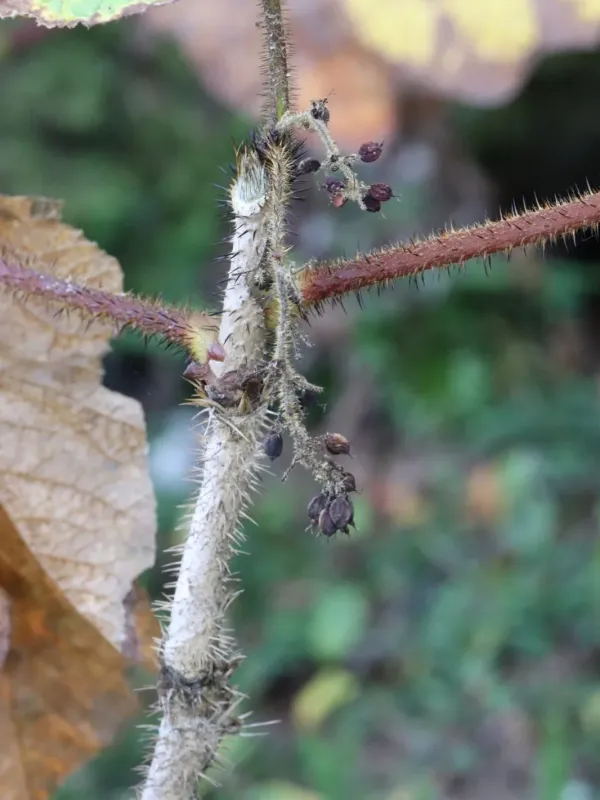
Description
Sowing dates
Propagation of Oplopanax elatus in cultivation is primarily carried out via seeds or vegetatively through root suckers. The seeds of this crop are characterized by a state of deep dormancy, requiring long-term cold stratification at low temperatures for 6 to 8 months to achieve successful germination.
When sowing directly into the soil, winter sowing is often practiced, allowing the seeds to undergo natural stratification under outdoor conditions. If seeds are sown in the spring, they must undergo pre-treatment in refrigeration units at temperatures between 0 and 4 degrees Celsius to simulate the winter season.
The sowing depth should not exceed 1 to 2 centimeters to ensure that the small sprouts can easily reach the surface. After emergence, it is critical to ensure regular soil moisture, as young seedlings are extremely sensitive to the drying out of the topsoil layer.
When transplanting seedlings, select sites with good drainage to prevent waterlogging. An optimal distance between bushes should be at least 50–70 centimeters, providing the plant with sufficient space for the development of its robust root system.
During the first years of life, the plant grows relatively slowly, focusing on developing leaf mass and structural branches. Intensive growth usually begins in the 3rd or 4th year after planting, once the crop has adapted to the site conditions and established a complete root structure.
Growing requirements
Oplopanax elatus belongs to the Araliaceae family and is a demanding crop that thrives in moist and fertile soils. Ideal substrates are light loams or forest soils rich in humus with a neutral or slightly acidic pH balance.
The plant prefers partial shade, as in its natural habitat it grows under the canopy of coniferous-deciduous forests. Direct sunlight throughout the day may cause leaf scorch and stunt growth, so planting in areas protected from strong winds is recommended.
A critical factor for the health of Oplopanax is the humidity of both the air and the soil. The plant does not tolerate drought and requires regular watering during hot summer months, especially during the period of berry formation and active vegetative growth.
While Oplopanax is winter-hardy, in cultivation on open sites, mulching the root zone with peat or fallen leaves during the first years after planting is necessary to protect the root system from freezing in winters with little snow cover.
A crucial agrotechnical requirement is the prevention of soil compaction. Regular loosening of the soil helps roots receive enough oxygen, which is vital for normal metabolism and the synthesis of biologically active compounds within the plant tissues.
Yield
The economic value of Oplopanax lies in its roots, which contain a unique complex of saponins and essential oils. The yield of the crop in an agricultural cycle is measured by the mass of dried raw material obtained per unit area once the plant reaches 7 to 10 years of age.
The accumulation of active substances in the roots occurs gradually, making early harvesting inefficient. The economic viability of an Oplopanax plantation depends directly on planting density and the quality of agrotechnical care provided during the initial years.
Under intensive cultivation, a significant volume of raw material can be obtained from a mature plantation. The primary product is the rhizome, which must undergo mandatory cleaning, washing, and gentle drying at temperatures not exceeding 50 degrees to preserve its pharmacological properties.
Yield also depends on the genetic potential of the seed material and the microclimate of the site. Under favorable conditions, the plant develops an extensive root system, increasing the total output of valuable product per bush.
Harvesting is recommended in the autumn, when the concentration of biologically active substances in the roots reaches its maximum level. During this time, the plant naturally shifts nutrients from its aerial parts to its underground storage organs.
Main diseases and pests
Oplopanax elatus is quite resistant to specific diseases, but poor agricultural practices can lead to fungal infections. Root rot poses the greatest risk, often caused by water stagnation and lack of proper soil drainage.
In conditions of high humidity and poor air circulation, leaves may develop leaf spot or powdery mildew. For fungal control, preventive spraying with fungicides during early vegetative stages and ensuring proper air circulation between plants is recommended.
Pests such as aphids and spider mites may attack young leaves during periods of moisture stress. Regular monitoring allows for the timely detection of parasites and the application of biological agents that do not compromise the quality of the medicinal raw material.
Damage to the root system by soil-dwelling insect larvae can also negatively affect plant development. It is recommended to follow crop rotation rules and avoid establishing plantations on lands previously used intensively for root crop production.
Incorrect planting depth and mechanical damage during cultivation increase the risk of plant infection. Any wounds on roots or stems serve as entry points for pathogens, so all agricultural operations must be performed with maximum care.
Harvesting
Harvesting Oplopanax is a labor-intensive process that involves excavating the entire root system. Since the plant is a slow-growing perennial, full extraction of the root leads to the death of the bush, so plantations are typically divided into sections for phased harvesting.
Harvesting is carried out in late autumn when the aerial parts of the plant begin to die back. Roots are excavated using manual tools or light machinery, ensuring the integrity of all branches is preserved, as the active substances are concentrated throughout the root mass.
After extraction, the roots are thoroughly washed in running water. Using brushes helps clear the root bark of soil residues and microorganisms, which is vital for ensuring high-quality medicinal output.
The prepared raw material is cut into fragments and sent for drying. High temperatures must be strictly avoided as they destroy valuable glycosides. The optimal method is drying in specialized dryers with forced ventilation at a temperature range of 40–50 degrees.
After drying, the material undergoes sorting to remove damaged, blackened, or empty roots. Storage of the final product should take place in dry, dark, and well-ventilated areas using airtight containers to prevent moisture accumulation and pest infestation.