
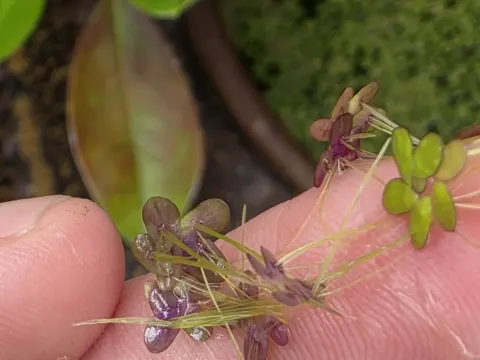
Spirodela
Spirodela
Spirodela, commonly known as greater duckweed, is a free-floating aquatic plant belonging to the Araceae family that serves as a vital component in modern sustainable agriculture.
What the section contains


Spirodela
Cultivation begins by introducing healthy frond clusters into clean, nutrient-rich water environments during the warm season, typically from late spring onwards.
The establishment phase requires calm water conditions to allow the plant to spread rapidly across the surface, utilizing its unique root system to absorb nutrients.
Vegetative propagation is the primary method of increase; new fronds emerge from the mother plants, quickly forming dense mats that cover the target water surface.
While no traditional seeding is involved, the initial inoculation density is critical for achieving a rapid transition to the harvest stage.
This crop thrives in water rich in nitrogen and phosphorus, making it highly effective for nutrient recovery in integrated agricultural systems.
Optimal growth is observed in temperatures ranging between 20°C and 28°C, with pH levels maintained within a slightly acidic to neutral range (6.5–8.0).
High light intensity is essential for the photosynthetic efficiency of the plant, though extreme solar exposure in shallow basins may require occasional shading.
There is no traditional soil requirement; however, a sufficient concentration of dissolved minerals must be maintained through regular monitoring of water quality.
The cultivation site must be protected from high winds and strong currents to prevent the disruption of the floating colonies and ensure consistent growth rates.
Spirodela is recognized for its exceptional growth rate and high biomass yield potential, often surpassing that of many terrestrial crop species.
When managed under intensive conditions with high nutrient availability, it can produce multiple harvests within a single growing season.
The nutritional profile, rich in proteins and essential minerals, makes the biomass an excellent candidate for animal feed additives and high-quality fertilizers.
Yield metrics are typically measured by dry matter weight per square meter of water surface, demonstrating high efficiency per unit of resource input.
Continuous harvesting strategies are recommended to maintain the crop in a rapid growth phase, preventing overcrowding and subsequent senescence.
The primary threats include the infestation of unwanted filamentous algae, which can outcompete the duckweed for light and nutrients.
Various insect pests, including aquatic caterpillars, are known to consume the fronds, which can significantly reduce the vitality of the population.
Bacterial and fungal infections represent a risk in high-density systems where water circulation is insufficient, leading to localized decay.
Environmental toxins, such as heavy metal accumulation or herbicide runoff, represent the greatest external threat to the safety and health of the crop.
- Algal blooms
- Invasive aquatic weeds
- Insect herbivory
- Inadequate aeration
- Extreme thermal fluctuations
Harvesting is performed by mechanical skimming, using specialized net or conveyor belt systems designed to collect the floating biomass efficiently.
It is crucial to balance the harvesting frequency with the plant's regeneration cycle to ensure a sustainable supply throughout the season.
Post-harvest management involves immediate drying or processing into silage to prevent degradation of the nutrient quality of the biomass.
Modern aquaculture facilities increasingly utilize automated sensors to determine the optimal density for harvesting, maximizing production efficiency.
The collected biomass can be processed into pelletized feed or liquid extracts, providing a versatile product for various agricultural and industrial applications.