
Symplocarpus
Symplocarpus
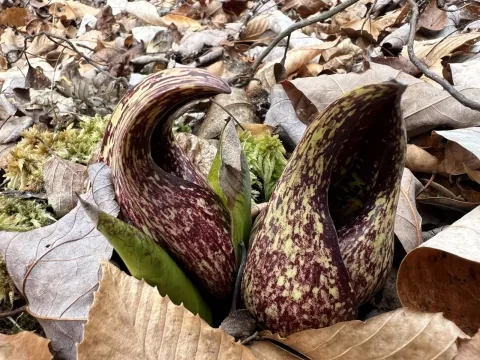
Symplocarpus is a genus of perennial herbaceous plants belonging to the Araceae family. These plants are native to wetland habitats in East Asia and North America, where they thrive in rich, muddy environments.
What the section contains


Symplocarpus
The primary requirement for this crop is a consistently high level of soil moisture. Ideal cultivation sites include damp, shaded woodland areas or the edges of ponds where the soil remains permanently saturated.
The plant is biologically famous for its thermogenic properties. It produces metabolic heat that allows the inflorescences to bloom in early spring, often melting surrounding snow and ice in the process.
Symplocarpus prefers humus-rich, acidic soils. Providing adequate shade is essential, as the large, lush leaves are prone to scorching when exposed to intense direct afternoon sunlight.
Propagation is generally performed via seeds, which require immediate sowing after maturation. Alternatively, careful division of the rhizomes can be performed, though the plants dislike disturbance.
Symplocarpus is highly resistant to most diseases due to the presence of calcium oxalate crystals in its tissues, which act as a chemical defense mechanism against many pathogens.
Slugs and snails are the most significant pests for this crop, as they often feed on the tender young leaves during the early spring growth phase.
While the plant is generally robust, root rot can occur if the soil structure becomes too compact or if stagnant water prevents proper gas exchange at the root level.
The crop is largely avoided by many herbivorous insects, which minimizes the need for chemical pest control measures throughout the growing season.
Management of the plant's health relies on selecting a site with proper drainage to prevent excessive anaerobic conditions while maintaining the necessary high humidity.