
Spirodela intermedia
Spirodela intermedia
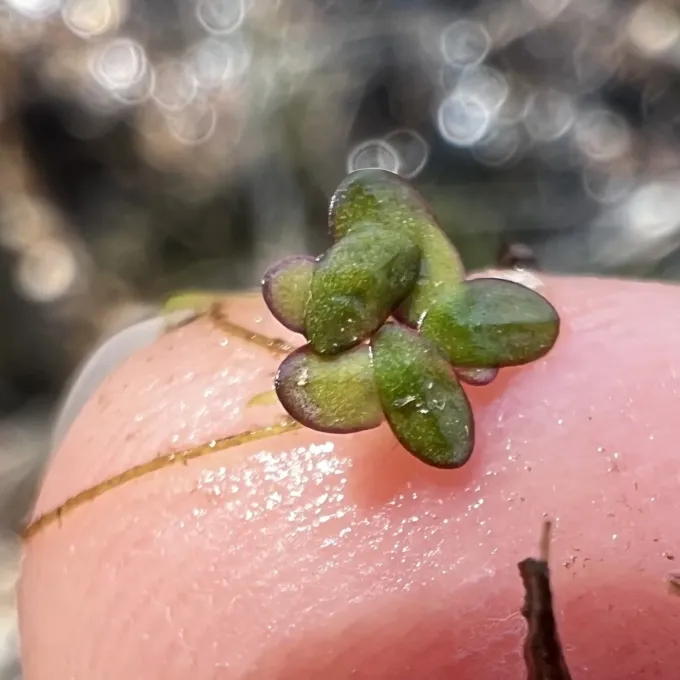
Description
Sowing dates
Spirodela intermedia is propagated exclusively through vegetative reproduction by the division of its fronds. It does not require traditional seed sowing, as it colonizes water surfaces rapidly under favorable conditions.
To initiate a new culture, plant material should be introduced into a water body with warm, nutrient-rich water. Optimal stocking density is crucial to ensure a fast spread across the surface.
In industrial aquaculture, specific nursery ponds are used to stabilize the population before moving it to larger production areas. It is vital to protect the ponds from strong winds to avoid mass accumulation in one area.
The best time to start culture is late spring when temperatures stabilize above +18°C. Rapid growth depends heavily on the initial health of the vegetative mother colony introduced to the site.
Maintaining a calm water surface without excessive movement is essential for the initial establishment of the colony and long-term biomass accumulation.
Growing requirements
As a member of the Araceae family, Spirodela intermedia is a free-floating aquatic plant that thrives in nutrient-dense environments. It requires significant amounts of nitrogen and phosphorus for optimal growth.
The water pH should ideally be kept between 6.5 and 7.5. Deviation from this range leads to reduced frond size and overall productivity of the plant population.
High levels of light exposure are required for photosynthesis. Partial or full shade will significantly hinder growth rates, making open-pond cultivation the most effective method.
Temperature control is paramount; the plant performs best in a range of +20°C to +25°C. Excessive temperatures or freezing will stop biological processes and may lead to colony collapse.
The water must be free from pesticides and heavy metals, as this species acts as a sensitive bioindicator of water quality, absorbing substances from the aquatic environment.
Yield
Spirodela intermedia demonstrates high biological productivity, often doubling its biomass within just a few days under ideal conditions. This makes it an efficient crop for sustainable biomass production.
The nutritional profile of the plant is high in protein, making it an excellent candidate for fish and poultry feed. Its yield is directly correlated with the nutrient concentration in the water.
Regular thinning of the biomass prevents self-shading and decay of the lower layers, which is necessary to maintain a high and consistent yield throughout the growing season.
In optimized systems, the plant can produce multiple harvests within a single season, providing a stable source of high-quality organic matter for various agricultural purposes.
The overall yield per hectare is significantly higher than that of most terrestrial forage crops, positioning it as an important future resource for food security.
Main diseases and pests
Bacterial rot and fungal infections are the most common threats to Spirodela intermedia. These are often triggered by overcrowding or poor water circulation in the pond.
Pests, including certain aquatic beetle larvae and insects, can cause mechanical damage to the fronds, leading to a reduction in the overall surface area available for growth.
Algal blooms are a primary competitor, as they rapidly deplete necessary nutrients and block light, often suffocating the duckweed colony if not properly managed.
Rapid changes in water salinity or chemical composition can induce stress, causing the plant to lose buoyancy and sink to the bottom of the pond.
Pollution from agricultural runoff, especially those containing herbicides, poses a catastrophic risk to the viability of the entire culture within a short period.
Harvesting
Harvesting is typically performed using mechanical nets or skimmers designed to scoop the biomass from the surface. This process is efficient and can be easily automated.
Post-harvest management involves quick processing, such as washing and drying, to prevent the fermentation of the plant material. The biomass is then often processed into pellets or silage.
It is essential to maintain a sufficient remnant population of the plant (about 20-30%) after harvesting to allow the colony to regenerate quickly for the next cycle.
The best time to harvest is when the surface coverage reaches approximately 70-80%. This balance ensures maximum productivity without triggering negative density-dependent growth factors.
Efficient logistics and timely processing are key to ensuring the quality and nutritional value of the harvested Spirodela for use as livestock feed.