
Schismatoglottis wallichii
Schismatoglottis wallichii
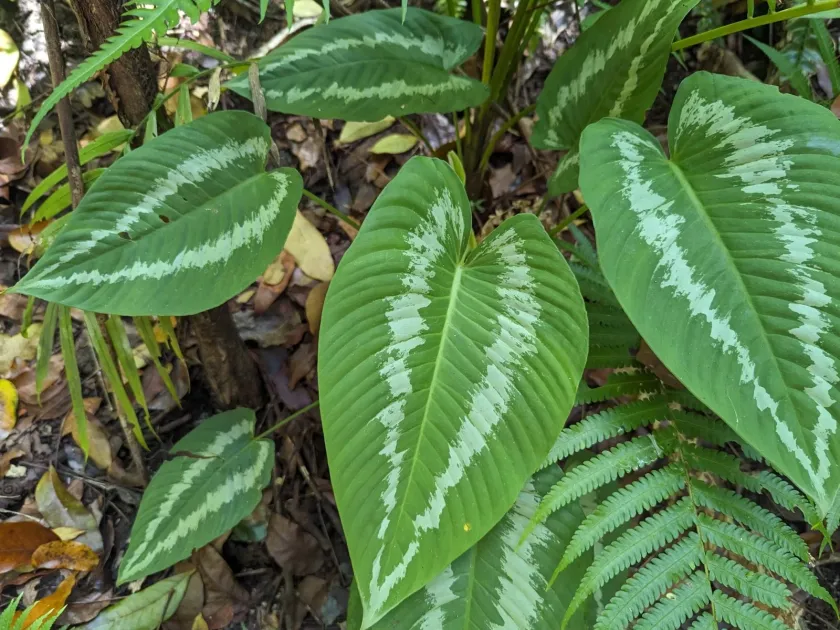
Description
Growing requirements
Schismatoglottis wallichii is a perennial herbaceous plant belonging to the Araceae family. Originating from the tropical rainforests of Southeast Asia, specifically Malaysia and Indonesia, it is prized for its elegant foliage and unique growth pattern.
The plant requires a stable tropical climate with temperatures typically ranging between 20°C and 26°C. It is highly sensitive to cold drafts and rapid temperature fluctuations, which can cause significant physiological stress.
For optimal growth, the substrate must be well-draining, porous, and slightly acidic. A mix consisting of peat, orchid bark, and perlite provides the necessary aeration for the root system, preventing compaction.
Lighting requirements involve bright, indirect sunlight. Direct exposure to the sun can scorch the leaves, while insufficient light leads to stunted growth and loss of the characteristic leaf patterns.
Humidity levels should ideally be maintained above 60%. This is often achieved through the use of humidifiers or regular misting, ensuring that the plant remains in a condition close to its natural forest floor habitat.
Main diseases and pests
Common pests include spider mites and mealybugs, which thrive in environments where ambient humidity is insufficient. These pests feed on sap, weakening the plant and damaging its aesthetic value.
Root rot remains the most serious disease threat, typically caused by overwatering or soil that lacks adequate drainage. Symptoms include wilting leaves despite moist soil and the development of dark, mushy spots on stems.
Integrated pest management involves physical removal of insects and the application of targeted insecticides if infestation levels are high. Early detection is crucial for survival.
Fungal infections can be minimized by ensuring proper air circulation around the foliage and avoiding water stagnation in the crown of the plant during watering sessions.
Using sterile soil and clean containers for repotting helps mitigate the risk of soil-borne pathogens, ensuring the long-term health and vitality of the Schismatoglottis wallichii specimen.