
Scindapsus beccarii
Scindapsus beccarii
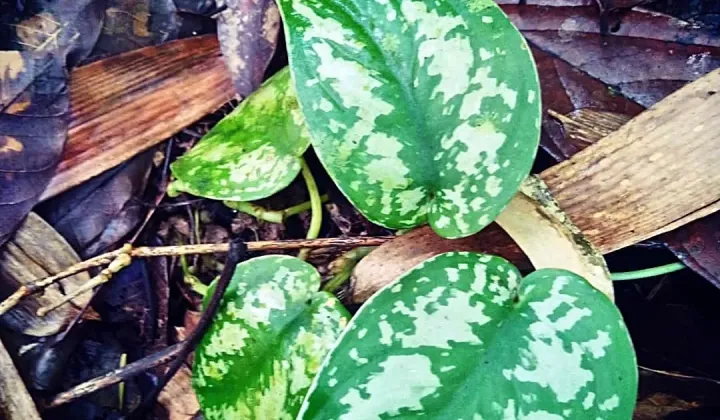
Description
Growing requirements
Scindapsus beccarii is a distinct species within the Araceae family, native to the tropical rainforests of Southeast Asia. This evergreen liana is known for its climbing habit, which allows it to thrive in the dense understory of its natural environment.
The plant requires high humidity levels to mimic its native habitat. It is best suited for environments where the ambient humidity can be maintained above 60 percent, often requiring misting or the use of humidifiers in domestic settings.
The soil requirements focus on excellent drainage. A mix comprising peat moss, orchid bark, and perlite is ideal for Scindapsus beccarii, as it mimics the epiphytic nature of the plant and prevents waterlogging at the roots.
Lighting should be bright but filtered. Prolonged exposure to direct sun may cause bleaching or scorching of the leaves, whereas insufficient light significantly slows down the growth rate and results in stunted foliage.
Temperature management is crucial; the plant performs best in a steady environment ranging from 20 to 25 degrees Celsius. It should be kept away from HVAC vents and drafty windows, as sudden changes in temperature can trigger leaf drop.
Main diseases and pests
Root rot is the most common threat to Scindapsus beccarii. This condition is primarily caused by overwatering or the use of heavy, non-porous soil media that restricts oxygen supply to the roots.
Pests such as spider mites, mealybugs, and scale insects frequently target the plant, especially when the surrounding air is too dry. These pests thrive in protected, warm indoor environments if not controlled properly.
Fungal leaf spot diseases can develop if the foliage remains wet for extended periods in conditions with poor airflow. Maintaining dry leaf surfaces and good ventilation is a primary preventative strategy.
Nutrient deficiencies, particularly yellowing of older leaves, may indicate a need for a balanced, diluted fertilizer application during the active growing season.
- Regular inspection for pest activity under leaves.
- Pruning dead or damaged stems to encourage healthy growth.
- Ensuring the pot has sufficient drainage holes to prevent standing water.