
Scindapsus treubii
Scindapsus treubii
Description
Growing requirements
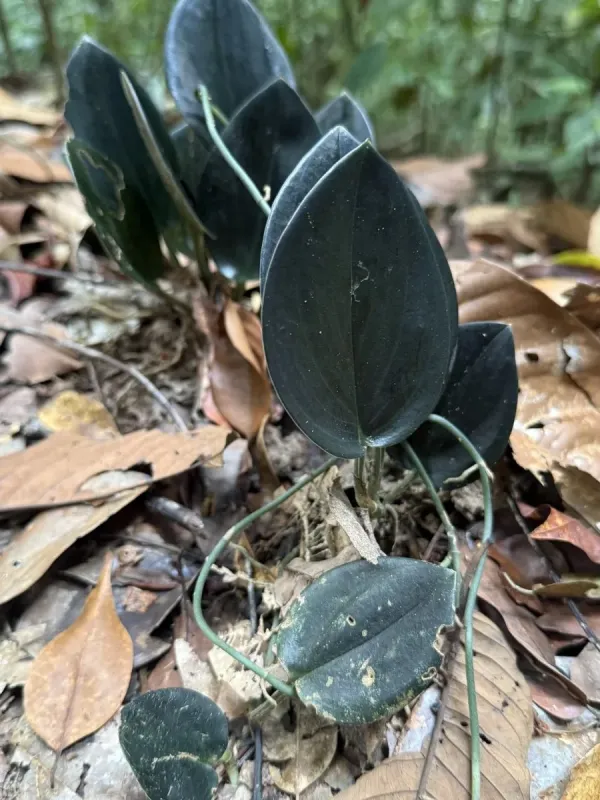
Scindapsus treubii is a notable species within the Araceae family, recognized for its sleek, elongated, and sometimes silvery-hued foliage. Originating from the tropical rainforests of Southeast Asia, this climbing vine is an epiphyte that relies on structural support to thrive in its natural habitat.
Cultivation requires bright, indirect light conditions. While the plant can tolerate lower light levels, its growth rate will significantly decrease, and the specific variegation or color intensity of the leaves may fade if placed in deep shade for extended periods.
The soil substrate must be exceptionally well-draining, mimicking the forest floor environment. A mixture consisting of peat moss, pine bark, perlite, and charcoal is highly recommended to ensure oxygen reaches the root system and to prevent the risk of waterlogging.
The optimal temperature range for this species is between 18°C and 25°C. As a tropical plant, it is susceptible to cold stress; temperatures dropping consistently below 15°C will severely impact its metabolic processes and may result in permanent leaf damage.
Humidity management is crucial for the successful maintenance of Scindapsus treubii. While it can tolerate average indoor humidity, it flourishes when the environment provides 60% relative humidity or higher, which can be achieved through regular misting or using automated humidification systems.
Main diseases and pests
The most common pests affecting this culture include spider mites and scale insects. These pests thrive in dry air conditions and are known to infest the undersides of leaves, causing yellowing, loss of vigor, and potentially plant death if the infestation remains untreated.
Root rot is the most frequent disease encountered in domestic cultivation, almost exclusively caused by overwatering or poor drainage. Symptoms include wilting despite moist soil, browning at the leaf tips, and mushy roots, which require immediate repotting into fresh, dry medium.
Fungal leaf spot can occur if the foliage remains wet for prolonged periods without adequate airflow. Improving ventilation around the plant is a critical cultural practice to prevent the germination and spread of fungal spores on the leaf surface.
- Regular inspection of the foliage for webbing or sticky residue.
- Quarantining new plants before integrating them into the collection.
- Applying systemic insecticides or neem oil solutions at the first sign of pests.
Balanced fertilization during the active growing season (spring through summer) strengthens the plant's natural defenses. However, it is essential to avoid over-fertilizing, as excess salts in the substrate can lead to root toxicity and osmotic stress.