
Scindapsus hederaceus
Scindapsus hederaceus
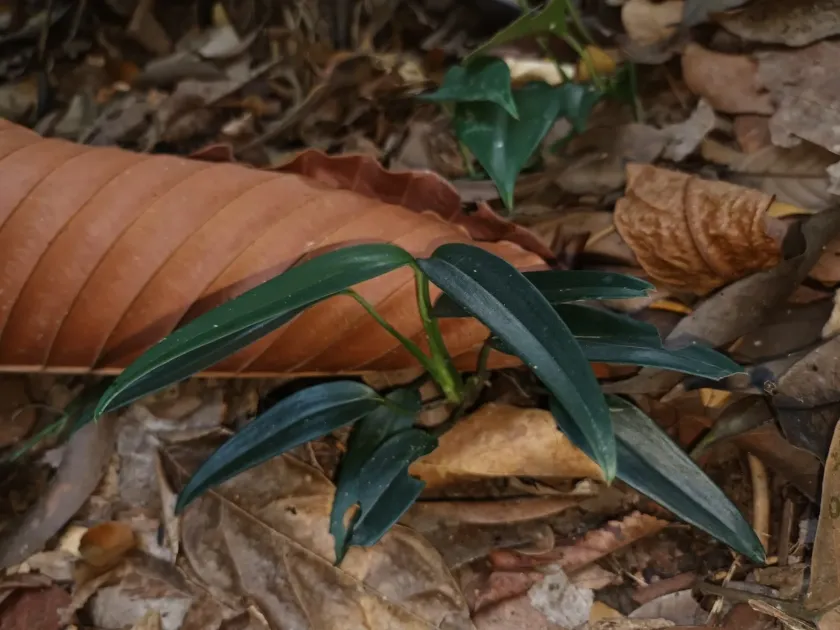
Description
Growing requirements
Scindapsus hederaceus is a representative of the Araceae family, known for its rapid growth and high ornamental value as an indoor vine. Originating from the tropical rainforests of Southeast Asia, this plant has adapted to climbing on tree trunks, using them as structural support in its native habitat.
The plant requires bright, indirect lighting to maintain healthy foliage pigmentation and vigorous growth. Exposure to direct sunlight can cause significant damage to the leaf structure, while insufficient light levels often lead to leggy stems and reduced leaf size throughout the growing season.
Regarding soil conditions, Scindapsus hederaceus thrives in well-aerated, loose, and slightly acidic potting media. A common mixture consists of high-quality peat, perlite, and bark, ensuring effective drainage and preventing the roots from becoming waterlogged, which is vital for the plant's long-term health.
Optimal temperature ranges for this species are between 18°C and 25°C. The plant is sensitive to thermal shocks, so placement away from air conditioning vents and radiators is crucial to prevent foliage drop and stunted development. Consistent moisture levels are preferred over drastic fluctuations.
Routine care involves periodic pruning of long vines to encourage a bushier structure and the application of balanced liquid fertilizers during the spring and summer months. Repotting is recommended when the roots fully occupy the container, ensuring the plant has enough space to continue its development.
Main diseases and pests
The primary pests affecting Scindapsus hederaceus include spider mites, mealybugs, and scale insects. These pests often colonize the undersides of the leaves and can significantly weaken the plant if left untreated, requiring timely application of systemic pesticides or manual removal.
Fungal diseases, specifically root rot, are common due to improper irrigation practices or poor container drainage. Symptoms include wilting, stem discoloration, and leaf yellowing, which necessitate immediate investigation of the soil moisture and application of targeted fungicides to save the plant.