
Scindapsus hybrid
Scindapsus hybrids
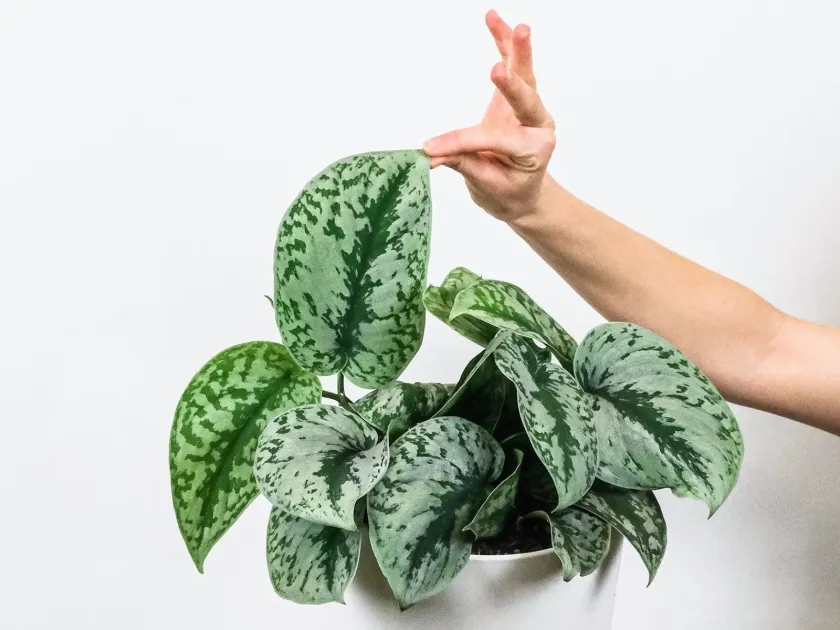
Description
Growing requirements
Scindapsus hybrid belongs to the Araceae family and is a popular evergreen climbing vine originating from the tropical regions of Southeast Asia. In its native habitat, it grows as an epiphyte, using taller trees to climb toward the forest canopy.
The optimal climate for this crop includes temperatures ranging from 18°C to 26°C. While it is adaptable, it performs best in bright, indirect light; direct sunlight can damage the leaves, causing bleaching or necrotic spots, particularly in variegated cultivars.
Soil requirements involve a well-draining, slightly acidic medium. A blend of peat moss, pine bark, and perlite is recommended to ensure adequate aeration and prevent waterlogging, which is essential for healthy root development and the prevention of root rot.
Agrotechnical management focuses on controlled irrigation. The soil should be allowed to dry out slightly between waterings to encourage vigorous growth. Over-watering is the most common cause of decline, making proper drainage at the bottom of the container mandatory.
The primary use of the Scindapsus hybrid is ornamental indoor landscaping. It is highly valued for its air-purifying capabilities and aesthetic appeal, making it a staple in interior design and office greening projects globally due to its low maintenance needs.
Main diseases and pests
The most common pests affecting this plant are spider mites and mealybugs, which thrive in low-humidity environments. Regular leaf cleaning and maintaining optimal environmental moisture are effective ways to mitigate the risk of infestation.
Fungal diseases, specifically those affecting the roots and stems, often arise due to poor drainage and waterlogged soil conditions. Proper crop management, including sterilization of potting media and careful monitoring of irrigation, significantly reduces the threat of such pathogens.